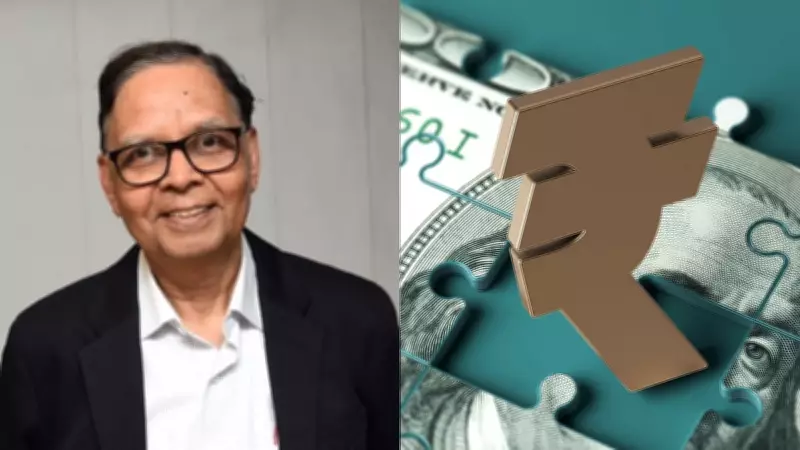
Economist and former NITI Aayog Vice Chairman Arvind Panagariya has advised the Reserve Bank of India (RBI) not to be overly concerned about the rupee's depreciation against the US dollar. In a recent statement, Panagariya described the 100 mark as 'just a number' and urged the central bank to focus on broader economic fundamentals rather than short-term currency fluctuations.
Rupee Depreciation Not a Major Concern
Panagariya emphasized that the Indian economy is fundamentally strong and that the rupee's slide is largely driven by global factors, including the strengthening US dollar and geopolitical uncertainties. He noted that a weaker rupee could boost exports and help narrow the trade deficit, provided that external demand remains robust.
Focus on Fundamentals
The economist highlighted that India's foreign exchange reserves are adequate to manage volatility and that the RBI should avoid unnecessary interventions. 'The central bank should not lose sleep over the rupee crossing 100. It is just a number. What matters is the underlying health of the economy,' Panagariya said. He added that inflation remains under control and growth prospects are positive, which should provide comfort to policymakers.

Global Factors at Play
Panagariya attributed the rupee's weakness to external headwinds, such as the aggressive rate hikes by the US Federal Reserve and rising crude oil prices. However, he expressed confidence that India's economic resilience would help the currency stabilize over time. He also pointed out that other emerging market currencies have faced similar pressures.
- Trade Balance: A weaker rupee could make Indian exports more competitive, potentially improving the trade balance.
- Inflation: While imports become costlier, the RBI's monetary policy has been effective in keeping inflation within target.
- Reserves: India's foreign exchange reserves, though slightly depleted, remain sufficient to manage external shocks.
Policy Recommendations
Panagariya suggested that the RBI should allow the rupee to find its natural level rather than defending a specific exchange rate. He also called for structural reforms to boost productivity and attract foreign investment, which would strengthen the currency in the long run. 'The RBI's primary focus should be on maintaining price stability and supporting growth, not on targeting a particular exchange rate,' he concluded.
In summary, Panagariya's remarks offer a measured perspective on the rupee's decline, urging policymakers to avoid panic and instead concentrate on sustainable economic policies.