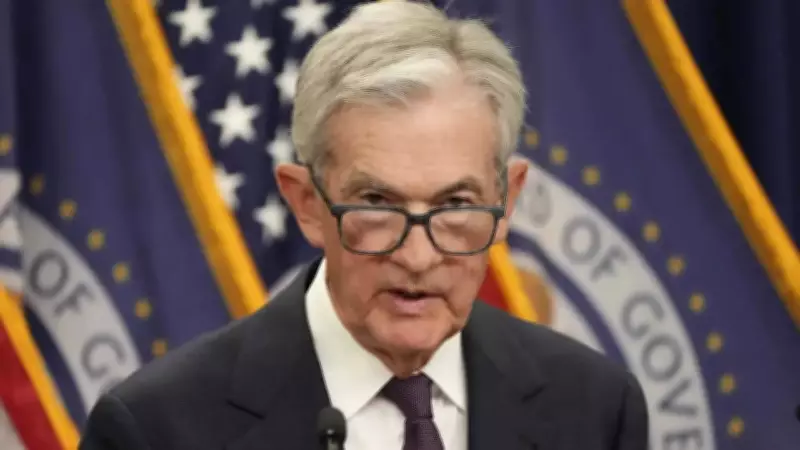
The US Federal Reserve, led by Chair Jerome Powell, decided on Wednesday to keep interest rates unchanged in the range of 3.5 to 3.75 percent. This decision was driven by upside risks to inflation, largely attributed to rising global energy prices and ongoing geopolitical tensions in the Middle East.
FOMC Statement Highlights
The Federal Open Market Committee (FOMC) stated that developments in the Middle East are contributing to a high level of uncertainty about the economic outlook. The Committee remains attentive to risks on both sides of its dual mandate—maximum employment and price stability. In support of these goals, the FOMC voted to maintain the target range for the federal funds rate at 3.5 to 3.75 percent.
Economic Activity and Inflation
According to the FOMC statement, recent indicators suggest that economic activity has been expanding at a solid pace. However, job gains have remained low on average, and the unemployment rate has changed little in recent months. Inflation remains elevated, partly reflecting the recent increase in global energy prices.

Powell's Term and Policy Outlook
Jerome Powell's term as Fed chair is set to conclude on May 15, though his appointment as a member of the Federal Reserve Board of Governors extends through January 2028. Rising oil prices, fueled by the US-Iran conflict, have added complexity to the Fed's policy outlook. Ahead of the two-day meeting, officials signaled growing concern that higher energy costs may not be temporary and could feed into broader inflation. If this occurs, interest rates may need to stay elevated for longer than previously anticipated, or potentially move even higher.
Global Crude Prices and Inflation
Global crude prices have climbed back above $110 per barrel, a sharp increase from around $70 before US-Israeli military action against Iran began on February 28. The prolonged closure of the Strait of Hormuz and stalled diplomatic efforts have further tightened supply concerns. The Fed's preferred inflation gauge remains roughly one percentage point above its 2 percent target, and fresh data due later this week is expected to show additional upward pressure.
Market Expectations and Future Leadership
Financial markets currently see little likelihood of a rate cut before the middle of next year. This reflects skepticism over whether incoming Fed chief Kevin Warsh can persuade fellow policymakers that stronger US productivity will help ease inflation and justify a more accommodative policy stance. According to a Reuters report, Kevin Warsh is expected to be confirmed by the Senate in time to take over before the Fed's June 16-17 meeting. On Wednesday, the Senate Banking Committee voted along party lines to recommend Warsh's confirmation to the full Senate.
The TOI Business Desk, a vigilant team of journalists, is dedicated to delivering the latest and most relevant business news from around the world. Their primary focus is to keep a watchful eye on the global business landscape, covering a wide spectrum of industries, markets, economic trends, and breaking stories that impact businesses and economies.