

Political Pressure on Federal Reserve Undermines Dollar Confidence
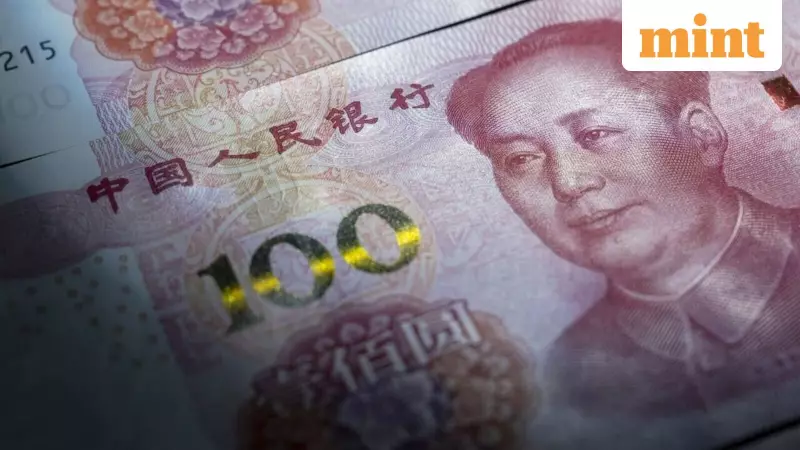
Global financial markets are watching with concern as political turmoil surrounds the Federal Reserve. The criminal investigation into Fed Chair Jerome Powell is widely perceived as an attempt by the Trump administration to gain control over monetary policy. This development comes at a critical moment when China is actively working to expand the international use of its currency.
China's Strategic Currency Push Gains Momentum
Beijing has been implementing a deliberate strategy to reduce global dependence on the US dollar. Their five-year policy plan gives renewed importance to internationalizing the yuan. Chinese officials are not seeking to completely replace the dollar, but rather to chip away at its dominance in specific financial areas.
Economists warn that political interference with central bank independence could damage investor confidence in the American financial system. "The institutional setup of the United States is being undermined through actions like those against the Fed," observed Bert Hofman, a former World Bank country director for China now teaching at the National University of Singapore.

Dollar's Traditional Strengths Face New Challenges
The US dollar has maintained its global dominance since World War II partly because investors viewed America's political system as stable. Countries and corporations have traditionally considered US Treasury securities a reliable place to park excess dollars. However, political control of central banks in other nations has sometimes led to high inflation, raising concerns about what might happen if similar pressures affect the Federal Reserve.
Ray Attrill, head of foreign exchange strategy at National Australia Bank in Sydney, expressed concern that "it would sow the seeds, effectively, of the demise of dollar dominance" if the Fed loses its autonomy.
China Builds Practical Alternatives
Beijing is creating tangible alternatives to dollar-based systems. China's Cross-border Interbank Payment System (CIPS) has nearly doubled its daily transaction volume since the war in Ukraine began. This system has become essential for money flows between China and Russia after Western sanctions cut Moscow off from the dollar-based financial system.
Chinese financial institutions have dramatically increased their overseas lending in yuan. The share grew from less than 10% a decade ago to 45% of total outstanding loans by the end of 2024, according to official data. China is also promoting "dim sum bonds"—yuan-denominated bonds issued in offshore hubs like Hong Kong and London.
Practical Limitations and Strategic Goals
China faces significant challenges in making the yuan a true global currency. Strict capital controls make the currency less attractive for international use because foreign entities worry about being unable to exchange it freely. Additionally, widespread adoption could push up the yuan's value, hurting Chinese exporters by making their goods more expensive internationally.
Despite these limitations, China's efforts are gaining traction. "The yuan is now becoming a force that they cannot ignore," said Chi Lo, a market strategist for BNP Paribas Asset Management in Hong Kong, referring to American policymakers.
Global Response and Market Reactions
The investigation into Fed Chair Powell has already affected financial markets. Prices for gold and silver have surged as investors seek alternatives to traditional dollar assets. President Trump has stated that the investigation isn't related to his disagreements with Powell over interest rates, but the perception of political interference persists internationally.
Trump has warned about the dangers of losing dollar supremacy, stating in a July cabinet meeting that "if we lost the world standard dollar, that would be like losing a war." Meanwhile, his administration continues policies aimed at stimulating the US economy through tax cuts and regulatory changes.
The Changing Financial Landscape
Roughly half of China's cross-border transactions now use the yuan, compared with almost none fifteen years ago. While the dollar still dominates global payments—accounting for 47% of Swift network transactions compared to just 3% for the yuan—the gap is gradually narrowing in specific areas.

China is extending yuan loans to developing countries within America's traditional sphere of influence, including Argentina. Beijing is also promoting Shanghai as a global hub for storing physical gold denominated in yuan. These incremental steps are slowly creating alternatives to dollar-based financial systems.
The proliferation of yuan-denominated assets now allows China's trading partners, including oil producers, to earn returns on yuan holdings with greater confidence that they can convert the currency when needed. "The dim sum bond market is growing like crazy," noted Alicia Garcia Herrero, an economist at French bank Natixis. "It's very small still, but it's offering a market for yuan assets."
As political tensions surround the Federal Reserve, China continues its systematic campaign to establish the yuan as a viable alternative in international finance. The outcome of this currency competition will shape global economic relationships for years to come.





