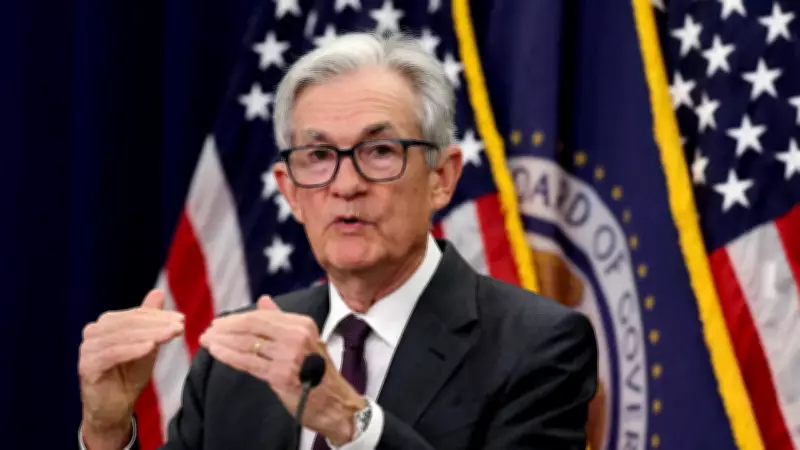
Federal Reserve Chair Outlines Approach to Energy Price Volatility
Federal Reserve Chair Jerome Powell stated on Monday that the U.S. central bank can generally look through energy price shocks triggered by geopolitical conflicts, but he issued a clear warning that policymakers may need to take action if rising costs begin to alter long-term inflation expectations.
Historical Perspective on Supply Shocks
Speaking at an event at Harvard University, Powell explained the Fed's traditional approach. "The tendency is to look through any kind of a supply shock," Powell said, noting that energy price spikes have historically been short-lived phenomena. He elaborated that "energy shocks have tended to come and go pretty quickly" while changes in monetary policy take much longer to transmit through the complex U.S. economy.
Geopolitical Context and Market Impact
The remarks come amid escalating tensions in the Middle East following U.S.-Israeli strikes on Iran on February 28, which prompted retaliation from Tehran and caused significant disruptions around the strategically vital Strait of Hormuz. This critical maritime route normally handles approximately one-fifth of global crude oil and liquefied natural gas shipments.

The conflict has already pushed global oil prices higher and driven a noticeable surge in U.S. gasoline costs, raising legitimate concerns about inflationary pressures building within the world's largest economy.
Current Policy Stance and Future Considerations
For the present moment, Powell indicated the Fed believes its current monetary policy positioning is appropriate. "We feel like our policy is in a good place for us to wait and see how that turns out," he told the audience. He added that "inflation expectations do appear to be well-anchored beyond the short term," while acknowledging the genuine risk that persistent supply shocks could potentially shift those expectations if price pressures don't subside.
Navigating Dual Mandate Challenges
The Federal Reserve is currently navigating what Powell described as a delicate "tension" between its dual congressional mandate of maintaining price stability while simultaneously supporting maximum employment. Policymakers face risks from both directions—potentially higher inflation on one side and a weakening labor market on the other.
Financial System Resilience and Emerging Risks
On the topic of financial stability, Powell offered reassurance that the U.S. banking system has "significantly hardened" since the 2008 global financial crisis. However, he emphasized that regulators must continue ensuring resilience without attempting to "regulate risk out of existence." He specifically mentioned that policymakers are closely monitoring emerging areas of concern, including the rapidly growing private credit market.
Defending Federal Reserve Independence
With his term as Fed Chair set to expire in May, Powell underscored the fundamental importance of the central bank's independence from political influence. He stated unequivocally that the Federal Reserve "needs to be fully politically independent" and that its chair should be "a person who can be reappointed by either side" of the political spectrum, emphasizing the non-partisan nature required for effective monetary policy stewardship.