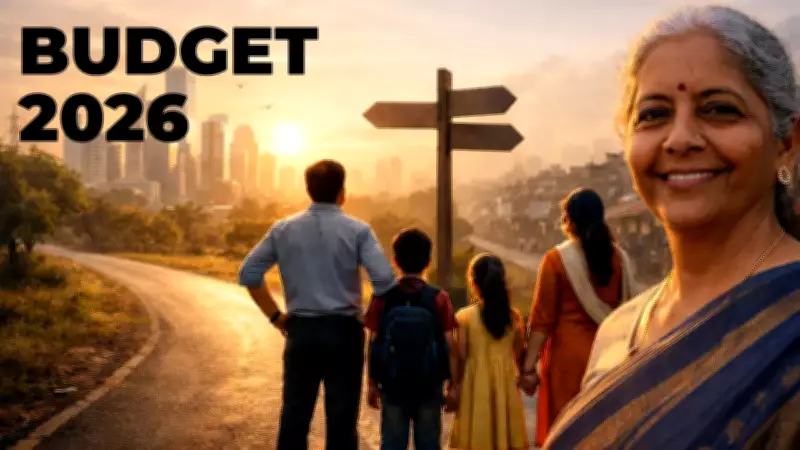
Finance Minister Nirmala Sitharaman observed that the global environment remains challenging, with trade and multilateral systems facing disruptions, while access to resources and supply chains continues to be affected. Rapid technological changes are also transforming production systems and increasing pressure on water, energy, and critical mineral resources.
Six Major Focus Areas Under 'Kartavya'
Under the first 'kartavya' of sustaining economic growth, the Budget proposed measures across six major areas:
- Expanding manufacturing in seven strategic and frontier sectors
- Revitalising traditional industrial sectors
- Building 'Champion MSMEs'
- Providing a major boost to infrastructure
- Securing long-term energy stability and security
- Developing City Economic Regions
Biopharma SHAKTI Initiative
To strengthen India's position as a global biopharma manufacturing centre, the government proposed the Biopharma SHAKTI initiative with an outlay of ₹10,000 crore over five years. This initiative aims to develop an ecosystem for domestic production of biologics and biosimilars.

MSME Growth Fund
Recognising MSMEs as a key driver of economic growth, the government proposed a dedicated ₹10,000 crore SME Growth Fund. This fund is designed to support the emergence of future industry champions by incentivising enterprises based on selected criteria.
Infrastructure Spending
The Finance Minister stated that public capital expenditure has increased significantly from ₹2 lakh crore in FY2014-15 to ₹11.2 lakh crore in the Budget Estimates for FY2025-26. For FY2026-27, the allocation has been proposed at ₹12.2 lakh crore in order to maintain the momentum in infrastructure and development spending.
These measures aim to navigate global disruptions and position India for sustained economic growth, leveraging strategic sectors and empowering small enterprises.