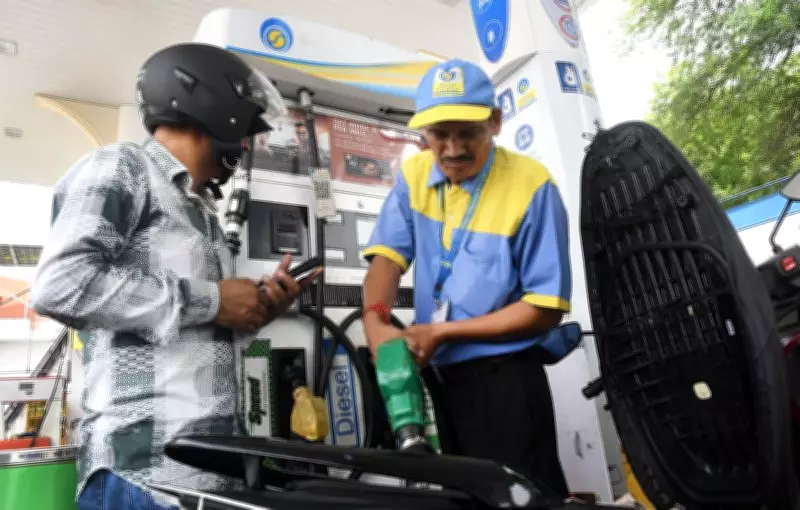
The recent surge in fuel prices in Delhi has sent shockwaves through household budgets, compelling families to reassess their monthly expenditures. With petrol and diesel rates reaching new highs, residents are finding it increasingly difficult to manage their finances. The price hike, attributed to global crude oil volatility and domestic tax adjustments, has led to a cascading effect on transportation costs, essential goods, and overall living expenses.
Impact on Daily Commute
For many Delhiites, the daily commute has become a significant financial burden. Office-goers who rely on personal vehicles are now spending substantially more on fuel. Some have turned to public transport or carpooling to mitigate costs, while others are forced to reduce non-essential travel. Auto-rickshaw and taxi fares have also risen, affecting those who depend on hired transport.
Ripple Effect on Essentials
The fuel price increase has not only affected transportation but also the prices of essential commodities. Goods transported via road have become costlier, with vegetables, milk, and other daily necessities seeing a noticeable price uptick. Small business owners, particularly those in the logistics sector, are struggling to maintain profit margins without passing on the burden to consumers.

Budget Adjustments
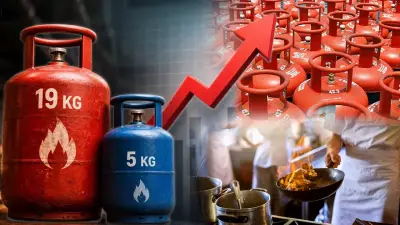
Families across income brackets are being forced to make tough choices. Middle-class households are cutting back on discretionary spending, such as dining out and entertainment, to accommodate higher fuel costs. Low-income families are the hardest hit, often having to compromise on nutrition or other basic needs. Many are seeking alternative energy sources, like using LPG more efficiently or exploring electric vehicles, though the upfront costs remain a barrier.
Government Measures
In response to the public outcry, the Delhi government has announced a temporary reduction in value-added tax (VAT) on petrol and diesel, providing some relief. However, experts argue that long-term solutions require a comprehensive review of fuel pricing policies and investment in public transportation infrastructure. The central government has also been urged to consider lowering excise duties to ease the burden on citizens.
Looking Ahead
As global oil prices remain volatile, the future of fuel costs in Delhi is uncertain. Residents hope for sustained government intervention to stabilize prices. Meanwhile, financial advisors recommend budgeting carefully, exploring fuel-efficient alternatives, and staying informed about policy changes. The current crisis underscores the need for a resilient urban transport system and energy diversification to shield households from such shocks.