

Prime Minister Narendra Modi inaugurated the Ganga Expressway, marking the launch of one of Uttar Pradesh's biggest infrastructure projects. The ceremony signals the operational rollout of the high-speed corridor, aimed at transforming connectivity, boosting economic activity, and strengthening links across the state.
Key Features of the Ganga Expressway
The Ganga Expressway stretches 594 km from Meerut to Prayagraj, making it one of India's longest access-controlled highways. Built at a cost of Rs 36,230 crore, including land acquisition, the project ranks among Uttar Pradesh's most ambitious infrastructure investments. Developed under a public-private partnership model, it reflects the state's push towards large-scale, capital-intensive projects aimed at boosting connectivity, industrial growth, and long-term economic development.
Connectivity and Regional Impact
Passing through 12 districts and over 500 villages, the corridor integrates western, central, and eastern Uttar Pradesh. It connects areas that have historically seen uneven development, offering improved mobility, access to markets, and opportunities for balanced regional growth. The expressway is expected to generate around 3 lakh jobs and drive industrial growth along the corridor. Planned logistics parks, manufacturing hubs, and increased investment activity are likely to create new economic opportunities, particularly in underdeveloped regions.

Travel Time and Logistics Savings
The expressway cuts travel time between Meerut and Prayagraj from 10–12 hours to about 6–7 hours. With speeds reaching up to 100–120 km/h, the corridor ensures smoother, congestion-free travel. By improving freight movement efficiency, the expressway is expected to save Rs 25,000–30,000 crore annually in logistics costs. Reduced travel time and smoother transport will cut fuel consumption, lower logistics costs, and enhance supply chain reliability, benefiting industries, traders, and farmers alike.
Modern Infrastructure and Facilities
The corridor features modern infrastructure, including a 3.5-km emergency airstrip, EV charging stations, trauma centres, and rest areas at regular intervals. Designed as a six-lane access-controlled highway, the expressway includes provisions for expansion to eight lanes in the future. Its wide right-of-way, service roads, and controlled entry-exit points ensure safer travel, better traffic management, and the ability to handle rising vehicle volumes.
Construction and Toll Details
Over 12,000 workers were deployed during construction, with work divided between multiple agencies to ensure faster execution. Four-wheelers are expected to pay around Rs 1,800 for a one-way journey across the full 594 km stretch. Officials indicate that toll operators may offer initial discounts to encourage usage, while maintaining a balance between affordability for users and revenue recovery for developers.
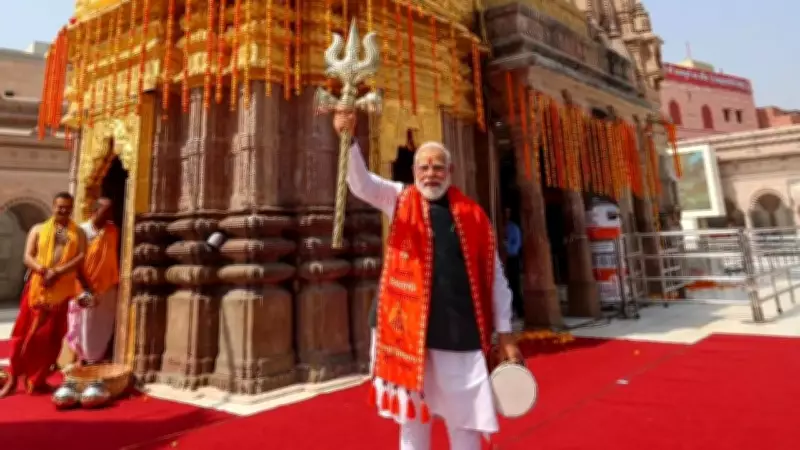
Ahead of inaugurating the Ganga Expressway, Prime Minister Narendra Modi visited Kashi Vishwanath Temple in Varanasi, where he performed rituals amid Vedic chants. He also offered prayers at nearby shrines, marking a spiritual start to the major infrastructure rollout.






