

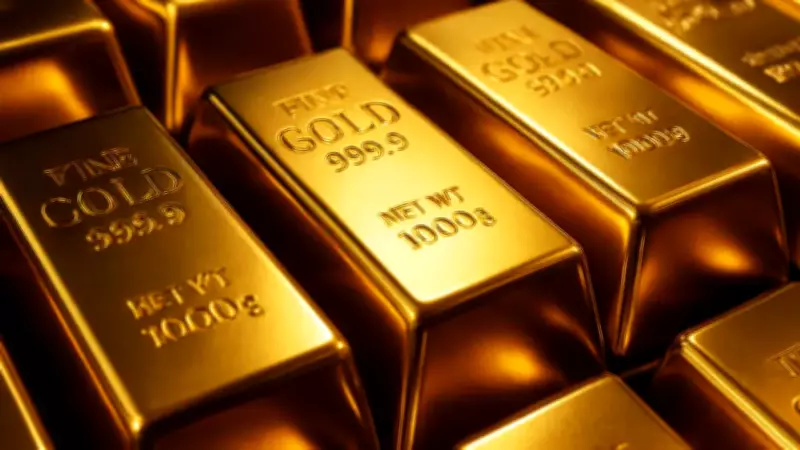
Gold and Silver Prices Surge Amid Renewed US-Iran Negotiation Hopes
Gold and silver prices experienced significant gains on Tuesday, supported by a weakening US dollar and renewed optimism that negotiations between the United States and Iran could resume. This development has helped alleviate concerns surrounding inflationary pressures in global markets.
Market Movements and Precious Metals Performance
Spot gold rose by approximately 2% to $4,831.78 per ounce, while US gold futures closed 1.7% higher at $4,850.10. Among other precious metals, silver surged 5.2% to $79.48 per ounce. Platinum advanced 1.3% to $2,096.91, and palladium edged up 0.7% to $1,585.21.
The US dollar weakened during the trading session, and oil prices also moved lower. A softer dollar typically makes gold, which is priced in the greenback, more affordable for investors using other currencies, thereby boosting demand.

Volatility and Safe-Haven Status Under Scrutiny
Gold's traditional role as a safe-haven asset has come under question during the US-Iran conflict and broader Middle East tensions. According to a report from HDFC Bank, gold prices have fallen by 10.6% since the beginning of the Iran conflict, a counterintuitive movement given historical patterns.
The report highlights that gold and the US dollar exhibit a strong negative correlation over the last five decades. Modeling gold prices from 2003 to 2022 shows that a 1% increase in the Dollar Index (DXY) is associated with a 0.78% decline in gold prices. During periods of high volatility, this sensitivity is likely to be even more pronounced.
In the current episode, US dollar assets have re-emerged as a preferred safe haven, with the dollar index up by 1.6% since the conflict began. This shift explains why gold prices have declined despite geopolitical uncertainties.
Factors Influencing Near-Term Price Direction
Bob Haberkorn, a senior market strategist at RJO Futures, told Reuters that the near-term direction of gold will largely depend on developments in US-Iran talks and any progress made before the weekend. Positive updates could further lift metal prices, while setbacks might lead to increased volatility.
Discussions aimed at ending the conflict may restart in Pakistan within the next couple of days, following a breakdown over the weekend that led Washington to impose a naval blockade on Iranian ports. This potential for diplomacy has injected optimism into the markets.
Economic Indicators and Market Sentiment
Recent data indicated that US producer prices rose less than anticipated in March, with service costs remaining flat. However, rising energy prices linked to the conflict with Iran continue to add to inflationary pressures.
Although gold is often viewed as a hedge against inflation, its appeal tends to diminish when interest rates are high, as it does not generate returns. Market participants are currently assigning a 33% chance of a rate cut by the Federal Reserve this year, compared with earlier expectations of two rate reductions before the conflict escalated.
Analysts at Commerzbank noted that unless markets begin to seriously anticipate a rate hike by the Federal Reserve—which does not appear likely at present—gold prices are unlikely to see a significant decline. The decline in both the dollar and oil prices is currently lending support to gold, reversing an initial shift toward holding cash amid fears over energy supply disruptions at the onset of the conflict.
Outlook and Sustainability of Trends
With hopes of peace talks between the US and Iran and the ongoing ceasefire, gold prices have risen in recent days. The key question remains whether this trend will sustain. All eyes are on how short-lived the current conflict turns out to be, as prolonged tensions could reignite volatility and impact precious metal prices differently.
Investors and analysts are closely monitoring geopolitical developments, economic data, and central bank policies to gauge the future trajectory of gold and silver markets. The interplay between the dollar, inflation, and conflict dynamics will continue to shape price movements in the coming weeks.






