Mumbai: Unchecked urbanisation and shrinking drainage channels in Vasai significantly worsened the flooding that affected yard operations at Vasai Road last monsoon, experts from the Indian Institute of Technology Bombay (IIT-B) have told Western Railway, which has now launched a major monsoon protection plan involving track lifting, drainage works and installation of 14 dewatering pumps before the rainy season.
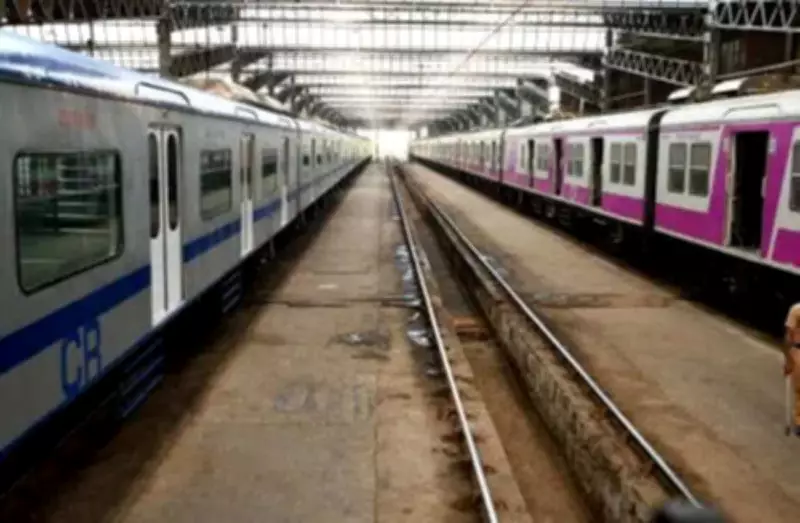
The assessment follows severe flooding between August 17 and 19 last year, when waterlogging impacted Diva lines, stabling lines and goods lines at Vasai Road yard. While suburban train services continued to operate, the flooding affected yard functioning and highlighted the vulnerability of the low-lying railway infrastructure during extreme rainfall.
Causes Identified by IIT-B Experts
According to railway records, multiple inspections and meetings were subsequently conducted jointly by Western Railway, the Vasai Virar City Municipal Corporation (VVCMC) and IIT-B experts to identify the reasons behind the flooding. During a meeting held on February 27 this year with Professor Kapil Gupta of IIT-Bombay and civic officials, experts analysed satellite imagery and changes in the topography of the Vasai region. They concluded that rapid and unplanned construction activity over the years had severely reduced the drainage capacity of local nullahs.

The experts also noted that the flooding was caused by a combination of sudden intense rainfall and high tide conditions, which prevented rainwater from draining out efficiently. IIT-B is learnt to have observed that the railway alone could do little to solve the problem permanently unless civic authorities simultaneously upgraded external drainage infrastructure around the yard.
Specific Issues Found During Inspections
One of the major concerns flagged during inspections was the condition of Achole Nullah, which was found heavily silted and narrow at several stretches. Railway officials also found that some micro-tunnels laid earlier for drainage were not connected to municipal drains maintained by VVCMC. Several culverts near the railway yard were clogged with floating waste, grass and silt deposits, reducing water discharge capacity during heavy rainfall.
Western Railway's Mitigation Measures
Following the review, Western Railway initiated a large-scale flood mitigation exercise ahead of the monsoon. A 76-day traffic and power block commenced on April 4 for lifting tracks in low-lying portions of the yard. Railway records show that 250 millimetres of lifting has already been completed on the down Diva line, while lifting work on the up Diva, goods and stabling lines is in progress.
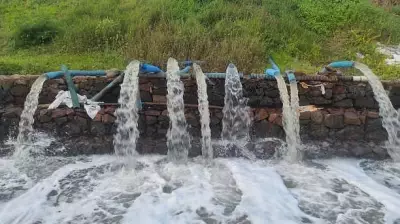
The railway has also started construction of additional drains and micro-tunnelling work for laying new 1,200-millimetre diameter pipes to improve drainage capacity. Fourteen dewatering pumps are planned to be installed by May 15, while desilting within railway premises is expected to be completed before the onset of the monsoon.
Coordination with Civic Authorities
Western Railway has meanwhile asked VVCMC to widen and desilt Achole Nallah and connect disconnected railway micro-tunnels with civic drainage systems.
Officials said the combined measures are expected to significantly reduce flooding risks and help ensure uninterrupted suburban train operations during heavy rainfall this monsoon.