

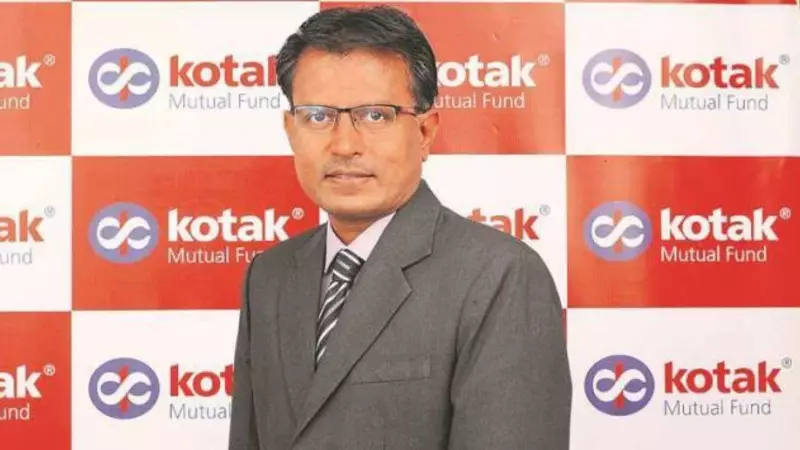
India has positioned itself as the primary engine for global economic expansion in the coming years, according to a top financial expert. Nilesh Shah, Managing Director of Kotak Mahindra AMC, declared the country's exceptional performance during an international summit in New York.
India's Dominance in Global Economic Landscape
Speaking at the Kotak International India Insight Summit held at The Metropolitan Club in New York, Shah revealed compelling statistics that underscore India's growing influence. India currently contributes 8-10% of world economic growth despite representing just 3.5% of global GDP. When measured by purchasing power parity, India's share of global expansion approaches an impressive 18%.
The veteran investment professional highlighted India's remarkable equity market performance, noting that India has emerged as the best-performing emerging market over the long term. Between 2020 and 2025, Indian equities delivered 13.7% annual growth, significantly outpacing other emerging markets.

From Emerging Economy to Global Powerhouse
Shah addressed India's current economic standing with both realism and optimism. While India ranks 136th worldwide in per capita GDP at $2,940, indicating the substantial development journey ahead, the country has achieved the remarkable milestone of becoming the world's fourth-largest economy with a nominal GDP exceeding $4 trillion this year.
This represents a dramatic ascent of six positions within just a decade, climbing from 10th place to 4th place globally. The rapid advancement demonstrates India's accelerating economic momentum on the world stage.
Fiscal Prudence and Foreign Investment Openness
On fiscal management, Shah noted that India's consolidated deficit (center plus states) remained above 7% of GDP last year. However, he emphasized a significant achievement: India stands as the only major economy that has successfully lowered its debt-to-GDP trajectory between the 2008 sub-prime crisis and the post-COVID crisis in 2025.
Addressing foreign investment, Shah countered narratives about India's market restrictions by highlighting that the country freely permits operations of global tech giants including Meta, X (formerly Twitter), Google, Yahoo, WhatsApp, and Amazon - platforms that remain blocked in China.
He further revealed that foreign entities hold majority stakes in several of India's largest listed companies across critical sectors including banking, asset management, automobiles, FMCG, telecommunications, and engineering.
The investment flow statistics substantiate India's appeal to international investors. India attracted $81 billion in foreign direct investment during the last fiscal year, accounting for approximately 5% of global FDI totals. Over 25 years, net gold imports exceeding $500 billion have gradually moved India toward capital exporter status as these imports have surpassed net foreign direct investments.
Shah's comprehensive analysis presents a compelling case for India's central role in driving global economic growth, combining robust domestic performance with unprecedented openness to international investment.






