

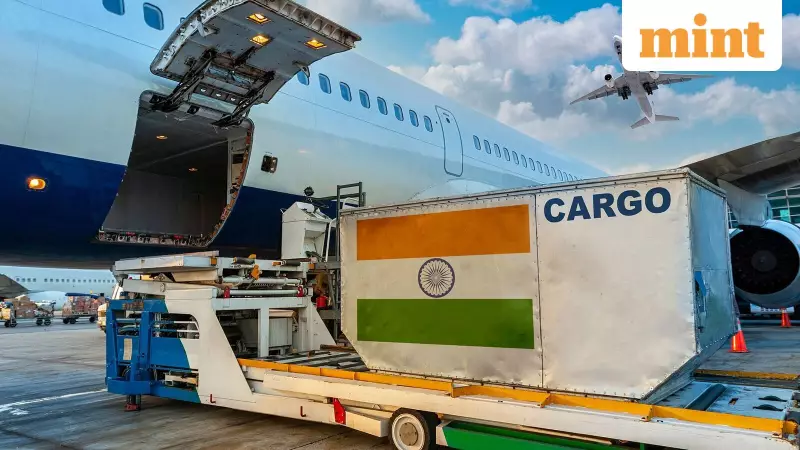
India has officially entered an elite global club. The year 2025 saw the nation secure the position of the world's fourth-largest economy, a significant milestone in its development journey. This achievement places India behind only the United States, the European Union, and China in terms of economic size, marking a new chapter of both opportunity and responsibility for the nation.
The China Comparison: A Crucial Benchmark
While celebrating this ascent, analysts emphasize that the most critical comparison for India remains China. The geopolitical and economic implications of this rivalry are profound. China's economy is currently almost five times the size of India's, a gap that underscores the scale of the challenge ahead. Furthermore, 2026 is expected to see a national census that will likely confirm India as the world's most populous country, surpassing China. This demographic shift, coupled with the vast economic disparity, highlights the urgency of strategic policy-making.
The global landscape adds complexity. The past year witnessed the United States adopting a more statist economic approach, while China continued its assertive global stance, largely dismissing accusations of distorting international trade. China's rise has popularized industrial policy worldwide, even as pure market economics appears to be receding on several fronts. However, experts caution that China's success was not built on mobilization alone; it also harnessed fierce market competition, both internally and in sectors like clean technology, to drive innovation and growth.

India's Path Forward: More Markets, More State Investment
For India, which is growing robustly even without a major export boom, the lesson is nuanced. The argument leans towards greater market orientation, not less, to sustain its tigerish growth pace. Simultaneously, the state has a pivotal role in addressing foundational weaknesses. Heavy public investment in universal health and education is no longer just a social goal but an economic imperative. Without a healthy and skilled population, India's consumer markets risk premature saturation, which could stall long-term growth.
The 2047 Vision: Closing the Glaring Gaps
Now that India has joined the top economic league, the focus must sharply turn to the long-term horizon—specifically, the year 2047. The goal is to bridge the glaring developmental gaps that persist. This involves learning the right lessons from global peers and addressing structural weaknesses that will be harder to fix later. The growth of domestic duopolies is one such concern that could potentially harm the economy's competitive vitality if left unchecked.
The journey from being a top-four economy to a truly developed and equitable one is the next great challenge. It requires a balanced strategy: fostering competitive markets to drive efficiency and innovation, while ensuring the state builds the human capital and social infrastructure needed for inclusive and sustainable progress.






