

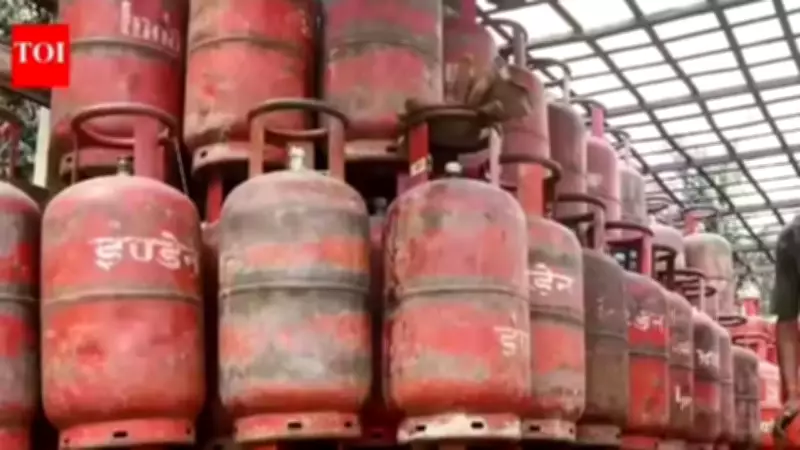
India Explores Smaller LPG Cylinders to Mitigate Global Supply Risks
Mounting uncertainties in global energy supply, driven by escalating tensions in West Asia, have prompted the Indian government to consider fresh measures for managing domestic LPG availability. Key proposals under discussion include providing a lesser volume of the fuel in refilled cylinders and potentially extending the waiting period for ordering refills.
Proposed Shift from 14.2kg to Smaller Cylinders
Currently, each domestic LPG cylinder in India contains 14.2 kilograms of liquefied petroleum gas. According to sources within the oil marketing companies (OMCs), the Centre has directed these firms to explore the feasibility of reducing this quantity to 10 kilograms or even 7 kilograms per cylinder. This strategic move is being evaluated in light of growing concerns over the security of fuel tanker movements through critical maritime chokepoints like the Strait of Hormuz.
An OMC official explained, "Several options are being actively discussed to ensure equitable distribution, prevent acute shortages, and minimize pilferage. Reducing the LPG content in domestic cylinders is one of the primary measures under consideration." The rationale is to stretch the available LPG supply across a larger number of households, thereby mitigating the impact of any potential disruption in international supply chains.

Consumer Backlash and Practical Concerns
However, the proposal has already sparked significant discontent among consumers. Many households rely heavily on LPG for daily cooking, and a reduction in cylinder size would directly increase the frequency of refills required.
Gaurav Saxena, a resident of Taratala in Kolkata, voiced a common concern: "In our home, one 14.2kg cylinder typically lasts about fifteen days. A switch to a 10kg or 7kg cylinder would mean it empties in just seven to nine days. Given that you cannot book a new cylinder before twenty-five days from the delivery of the previous one, how are families supposed to manage their cooking needs? This creates a serious gap."
Reports are also circulating that the current mandatory waiting period for booking a refill—presently set at twenty-five days from the date of the last delivery—might be further extended to thirty days. A source within an OMC indicated a strong possibility of this adjustment, adding another layer of complexity for consumers.
Anindita Sen, a homemaker from Chetla, highlighted delivery uncertainties: "Even after a booking is confirmed, there is no clarity or transparency regarding when the cylinder will actually arrive." This sentiment was echoed by Rajesh Gupta from New Alipore, who criticized the system's lack of clear communication.
Dealers and Distributors Face Operational Headaches
LPG dealers and distributors are equally apprehensive about the proposed changes. They are already grappling with rising consumer demand, frequent booking failures, and technical issues related to e-KYC verification processes.
A south Kolkata-based LPG dealer expressed worry: "Any alteration in the standard supply quantity will inevitably create more complications in our daily operations. We may also face increased allegations of LPG theft from skeptical customers, which adds to our challenges."
From a logistical standpoint, handling a larger number of smaller cylinders could significantly increase operational pressure on the distribution network. A distributor noted, "Managing more cylinders of reduced size will undoubtedly strain our resources and processes. However, if this measure ensures greater access and prevents a severe shortage, it may be a necessary step to take."
Caught Between Supply Constraints and Public Dissatisfaction
Distributors find themselves in a difficult position, caught between tightening supply constraints and growing customer dissatisfaction. A Kolkata-based LPG distributor stated, "We are doing our utmost to manage deliveries efficiently, but the supply situation is tight, and we must adhere strictly to the existing regulations and potential new rules."

The ongoing geopolitical tensions in West Asia, particularly involving Iran, Israel, and the United States, have cast a long shadow over global energy markets. India, as a major importer of LPG, is proactively exploring these domestic adjustments to cushion its population from potential international supply shocks. The final decision on implementing smaller cylinder sizes and extended waiting periods will hinge on further assessments by oil marketing companies and government authorities, balancing national supply security with household-level practicalities.





