

India Closely Monitoring West Asia Geopolitical Situation, Assessing Financial Exposure
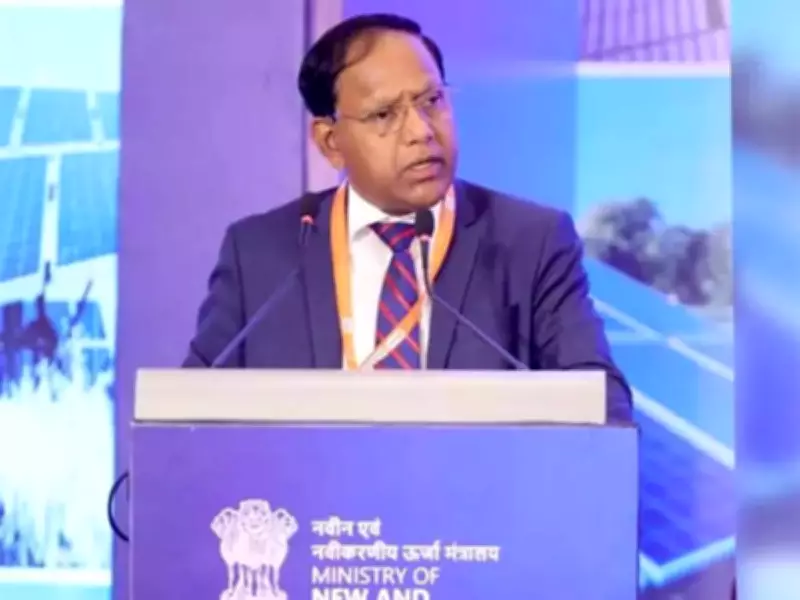
Finance Secretary M Nagaraju has revealed that the Indian government is maintaining a vigilant watch on the escalating geopolitical situation in West Asia and is actively taking stock of the country's financial exposure in the region in the event of potential conflict. This assessment comes as part of broader discussions about external challenges currently facing Indian banks and the national economy.
Government Evaluating Financial Institution Exposure
During his address, Nagaraju specifically mentioned that authorities are looking to identify and quantify the exposure of financial institutions to the West Asia region. This proactive measure aims to understand potential vulnerabilities and prepare appropriate contingency plans should tensions in the area deteriorate further.
Despite the rising global uncertainty, including the distinct possibility of conflict in West Asia, Nagaraju expressed confidence that India's banking system and overall economy have demonstrated remarkable resilience. This resilience provides a crucial buffer against external shocks and positions the country to navigate challenging international circumstances.

Background of Escalating Tensions
The geopolitical landscape in West Asia has become increasingly tense following recent developments, most notably the United States issuing a ten-day ultimatum to Iran to reach a nuclear agreement. This diplomatic pressure has heightened concerns about regional stability and its potential ripple effects on global markets and economies with significant ties to the area.
Focus on Banking Sector Evolution
Nagaraju made these statements while addressing the prestigious 78th annual meeting of the Indian Banks' Association. He emphasized that the association's panel would maintain a strong focus on ensuring that credit distribution in India remains predominantly bank-dominated. Furthermore, the panel aims to provide strategic guidance on how the banking sector should evolve and adapt over the next two to three and a half decades.
This comprehensive approach underscores the government's dual strategy of managing immediate geopolitical risks while simultaneously planning for the long-term development and stability of India's crucial financial sector.






