

India Imposes Steep Export Duty Hikes on Diesel and Aviation Fuel
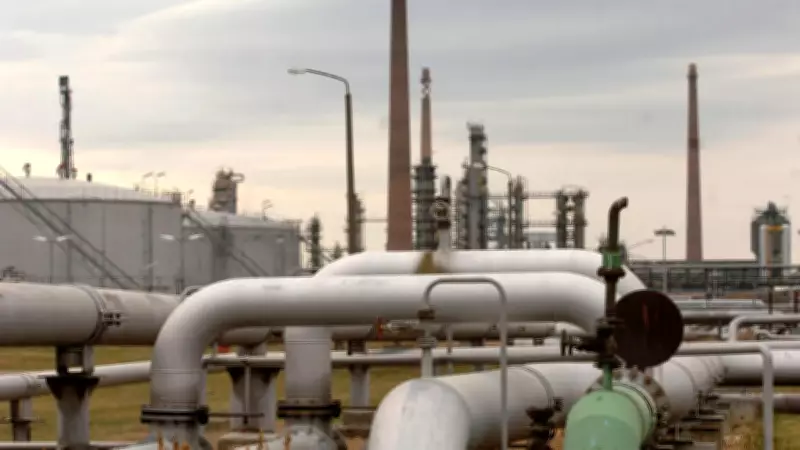
The Indian government announced a significant increase in export duties on diesel and aviation turbine fuel (ATF) on Saturday, aiming to dissuade oil refiners from shipping these fuels abroad and to secure adequate supplies for the domestic market. This move comes against the backdrop of ongoing tensions in West Asia, which have disrupted global energy flows.
Substantial Duty Increases Implemented Immediately
The Ministry of Finance issued notifications that raised the export duty on diesel by more than 150%, from Rs 21.5 per litre to Rs 55.5 per litre, effective immediately. Similarly, the levy on ATF, commonly known as jet fuel, was increased from Rs 29.5 per litre to Rs 42 per litre. Notably, the export duty on petrol remains at zero, indicating a targeted approach to specific fuel types.
Under the revised structure, the special additional excise duty on high-speed diesel has been elevated to Rs 24 per litre, while the road and infrastructure cess now stands at Rs 36 per litre. This adjustment means a substantial portion of the revenue will now be directed to the central government, although officials clarified that the primary goal is not to boost revenue but to prevent fuel exporters from exploiting price differentials between domestic and international markets.

Background and Rationale for the Measures
This action follows an earlier imposition of export duties on March 27, when the government set rates at Rs 21.5 per litre for diesel and Rs 29.5 per litre for ATF. That initial move was designed to curb windfall gains by refiners, as international fuel supplies were constrained due to military conflicts and export restrictions by China, leading to shortages and price spikes globally.
In a related effort to protect consumers and oil companies from the impact of high crude prices, the Centre had previously reduced excise duties on diesel and petrol. As a result, retail prices of automobile fuels in India have remained stable despite significant volatility in the international crude market. Only a minimal portion of the international price pressure has been transferred to domestic flight costs, highlighting the government's commitment to shielding the economy from external shocks.
Financial Implications and Policy Objectives
The windfall tax on exports of diesel and ATF serves to partially offset the financial impact of the excise duty cuts. On March 27, the government estimated that the export duties would generate revenue gains of approximately Rs 1,500 crore over a fortnight. With the latest hike, these revenue gains are expected to increase further, providing additional fiscal support.
In a statement, the Ministry of Petroleum emphasized the strategic intent behind the levy: "At a time when international diesel prices have surged sharply, the levy is designed to disincentivise exports and ensure that refinery output is directed first towards meeting domestic demand." This underscores the government's priority of ensuring energy security and stability within the country, particularly during periods of global uncertainty.
Overall, these measures reflect a proactive approach by the Indian government to balance domestic fuel availability with economic considerations, leveraging export duties as a tool to manage market dynamics and safeguard national interests.






