India's Economic Stability Faces Major Threats from Oil Price Surge and Global Conflicts
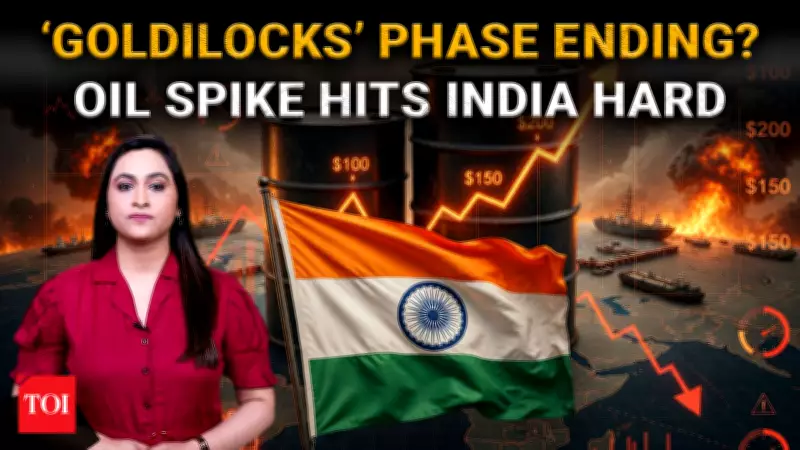
India's rare 'goldilocks' phase of economic stability, characterized by low inflation and robust growth, is now under significant threat. The escalating geopolitical tensions worldwide have triggered a sharp rise in crude oil prices, which are beginning to ripple through the Indian economy with potentially severe consequences.
Key Macroeconomic Risks Emerging
With oil prices crossing the critical threshold of $100 per barrel, several key macroeconomic indicators are showing signs of strain. The immediate concern is inflation, which may rise due to costlier imports of crude oil and related products. This could erode consumer purchasing power and disrupt the delicate balance that has supported India's recent economic performance.
GDP growth is another area of vulnerability. As consumption weakens under the pressure of higher prices and investment sentiment dampens due to uncertainty, economic expansion could slow considerably. The current account deficit is also at risk of widening sharply, as India's import bill for oil increases while exports face potential disruptions from global trade tensions.

Additional Complications to the Economic Outlook
The situation is further complicated by several interconnected factors. A weakening rupee adds to import costs and inflationary pressures, creating a challenging environment for monetary policy. Fiscal balances face pressure through potential increases in subsidies or tax cuts aimed at mitigating the impact on consumers and businesses.
Trade and remittance flows from the Middle East, a crucial region for India's economic ties, may experience disruptions due to the ongoing conflicts. This could affect both export revenues and the vital inflow of remittances that support many Indian households and contribute to foreign exchange reserves.
Structural Strengths and Future Outlook
Despite these mounting challenges, India's structural economic strengths remain intact. The country's diversified economy, growing domestic market, and ongoing reforms provide a foundation for resilience. However, the duration and intensity of the current geopolitical conflicts will be crucial in determining how deep and prolonged the economic impact becomes.
Policymakers face the difficult task of navigating these turbulent waters while maintaining economic stability. The coming months will test India's ability to withstand external shocks and adapt to rapidly changing global conditions that threaten to undo recent economic gains.