

India's Economic Trajectory: A $26 Trillion Expansion Forecast
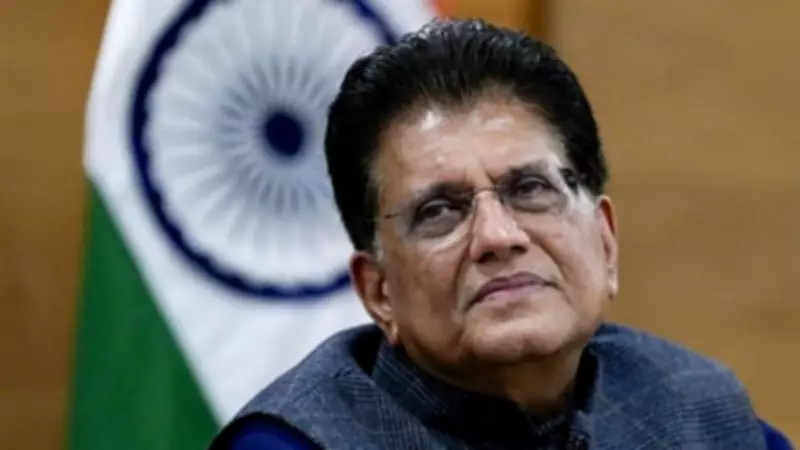
Union Minister for Commerce and Industry, Piyush Goyal, has unveiled a bold projection for India's economic future, stating that the nation is expected to add approximately $26 trillion to its economy. This announcement, made on February 18, 2026, underscores India's rapid ascent on the global economic stage, driven by strategic initiatives and robust policy frameworks.
Strategic Trade Agreements Fuel Growth
In his remarks, Goyal highlighted a significant milestone in India's international trade relations. The country has now concluded comprehensive agreements with 39 developed nations across various sectors, including technology, manufacturing, and services. These pacts are designed to enhance market access, reduce trade barriers, and foster bilateral cooperation, positioning India as a pivotal player in global commerce.
The minister emphasized that these agreements are not merely symbolic but are instrumental in driving tangible economic benefits. By leveraging these partnerships, India aims to boost exports, attract foreign investment, and create millions of jobs, thereby accelerating its growth trajectory.

Disciplined National Purpose as a Catalyst
Goyal attributed this economic success to what he described as a clear and disciplined national purpose. He pointed to the government's focused approach on key areas such as infrastructure development, digital transformation, and regulatory reforms. This cohesive strategy has enabled India to navigate global challenges, including geopolitical tensions and economic uncertainties, while maintaining steady progress.
The minister's comments reflect a broader narrative of India's resilience and ambition. Over the past decade, the nation has implemented policies like the Goods and Services Tax (GST) and initiatives under the 'Make in India' campaign, which have streamlined economic operations and enhanced competitiveness.
Implications for India's Global Standing
The projected $26 trillion expansion is poised to elevate India's status as a major economic powerhouse. Analysts suggest that this growth could place India among the top three economies globally by mid-century, rivaling traditional leaders like the United States and China. Key sectors expected to drive this expansion include:
- Information Technology and Digital Services: With a thriving startup ecosystem and advancements in artificial intelligence.
- Manufacturing and Export-Oriented Industries: Supported by trade agreements and government incentives.
- Renewable Energy and Sustainability Initiatives: Aligning with global climate goals and domestic demand.
Moreover, Goyal's announcement comes at a time when India is actively engaging in multilateral forums, such as the G20 and United Nations, to shape global economic policies. This proactive diplomacy is seen as complementary to its domestic economic strategies, ensuring a holistic approach to growth.
Challenges and Opportunities Ahead
While the outlook is optimistic, experts caution that realizing this $26 trillion target will require sustained efforts. Challenges such as infrastructure gaps, skill development, and regional disparities must be addressed through continued investment and innovation. However, with a disciplined national purpose and expanding international partnerships, India is well-positioned to turn these challenges into opportunities.
In conclusion, Piyush Goyal's projection highlights India's transformative economic journey. As the nation builds on its trade successes and policy discipline, the vision of a $26 trillion economic addition appears increasingly attainable, promising prosperity and enhanced global influence for years to come.






