India Avoids Rationing During Hormuz Crisis
After nearly four months of conflict, a tenuous peace deal between Iran and the United States has reopened the Strait of Hormuz to sea traffic. Oil tankers and vessels carrying critical oil supplies are now transiting freely through the chokepoint. India, heavily dependent on energy imports, managed the crisis without imposing any emergency measures on its citizens. On March 23, Prime Minister Narendra Modi told Parliament that the closure of the Strait of Hormuz was unacceptable, a stance he reiterated on the global stage. While the United States advised countries to fend for themselves, India secured bilateral passage through direct diplomacy.
Strategic Petroleum Reserves Expanded
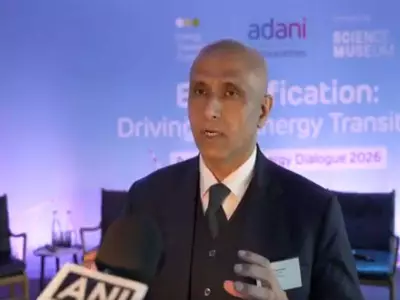
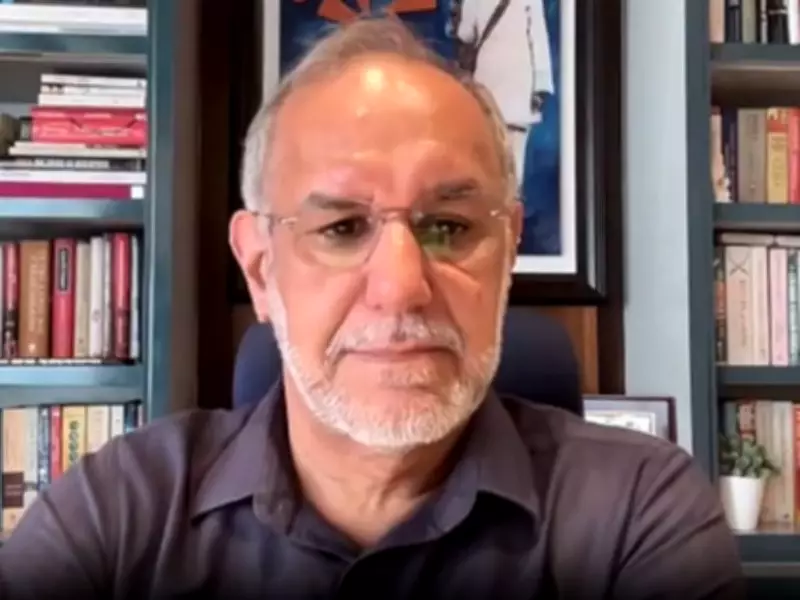
Navdeep Suri, former Indian Envoy to the UAE, highlighted that India pivoted toward non-traditional energy suppliers while strengthening traditional ones. During Prime Minister Modi's May 15 visit to Abu Dhabi, an agreement was signed with the Abu Dhabi National Oil Company (ADNOC) to expand India's strategic petroleum reserves to 30 million barrels. Suri noted, "I was the ambassador in UAE when the strategic petroleum reserves agreement was first signed... but now we've come to the stage where we need to grow this." He praised the proactive energy diplomacy pursued by the government, particularly by the Minister of Petroleum and Natural Gas, who leveraged a global network of relationships to pivot toward non-traditional suppliers.
Midnight Diplomacy with UAE
Suri emphasized the special relationship with the UAE, which ensured critical energy supplies. He recounted midnight conversations between Minister Hardeep Puri and ADNOC CEO Dr. Sultan Al Jaber, built on trust and confidence. ADNOC took risks to send cargoes despite potential threats from Iranian drones. Suri said, "What India and UAE demonstrated during the last four months... is truly a partnership that we can both be proud of." The UAE supplied critical LPG, crude oil, and gas, while India created an air and sea bridge to ensure essential foodstuffs, toiletries, and medicines reached UAE supermarkets.

Comparison with Other Nations
During the four-month conflict, many countries imposed emergency measures. Sri Lanka mandated petrol rationing and a four-day government week. South Korea imposed fuel price caps for the first time in 30 years. The Philippines shortened the working week and imposed price controls. In the UK, petrol prices and household energy bills rose. India, however, saw no consumer rationing, fuel holidays, shortened weeks, school closures, or driving curbs. Household cylinders and pumps were supplied throughout, with the smallest price rise among major economies. Suri noted, "You have countries which have had to go on a four-day week... you had a situation in Bangladesh where they actually had to deploy military personnel at gas stations." He added that from his personal experience in Amritsar, there was not a single day without fuel supplies, though initial panic buying caused queues.
Future Energy Strategy
Suri emphasized the need to reduce dependence on the Strait of Hormuz. The UAE is doubling its pipeline capacity from 1.7 million barrels per day to 3.5 million barrels per day via Fujairah, which lies outside the strait. Saudi Arabia is expanding capacity at Yanbu on the Red Sea. India, as the world's third-largest consumer, is diversifying supplies. Suri noted, "We first pivoted toward Russia... and then pivoted to the US when the Gulf was closed." He highlighted visits from leaders of Venezuela, Gabon, and other oil-rich countries, demonstrating energy diplomacy across Africa and Latin America. He also mentioned a long-term LPG supply contract between UAE and Indian Oil, and the potential return of Iran to the market as a positive development for India's energy security.
Lessons from India's Crisis Management
India's layered, consumer-first response combined with increased domestic production, excise cushions on petrol and diesel, aggressive supply diversification, and a whole-of-government demand-management effort. Suri concluded, "There will be lessons from India in terms of how we've managed a difficult situation with a lot of competence."