India's Food Security Shield: Government Asserts Adequate Buffer Stock Amid West Asia Crisis
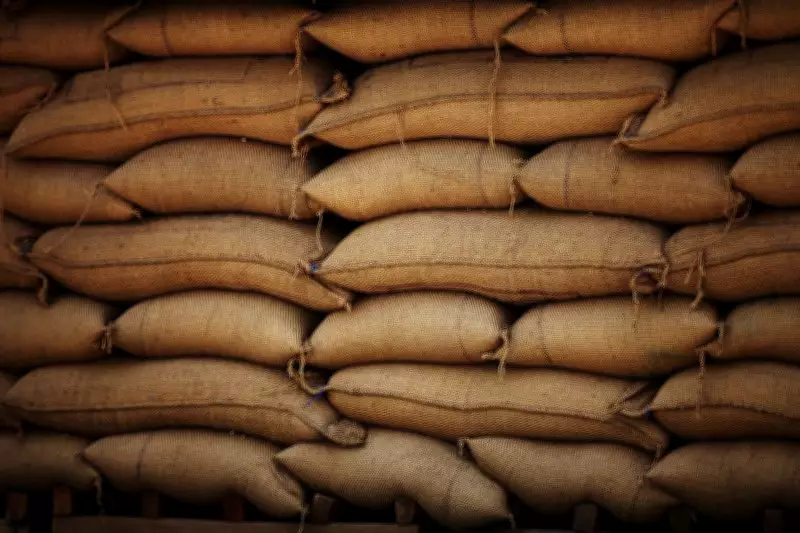
The Indian government has officially stated that the nation possesses a sufficient buffer stock of food grains to effectively navigate any potential challenges arising from the ongoing crisis in West Asia. This declaration aims to reassure citizens and stakeholders about the stability of India's food supply chain and its preparedness to handle external disruptions.
Government's Assurance on Food Grain Reserves
In a recent announcement, authorities highlighted that India's strategic reserves of essential food grains, including wheat and rice, are well-stocked and capable of tiding over any short-term supply issues linked to the West Asia situation. The government emphasized that these buffer stocks are part of a long-term food security policy designed to cushion the impact of global geopolitical tensions on domestic markets.
The buffer stock system, managed by agencies like the Food Corporation of India (FCI), is a critical component of India's public distribution system. It ensures that food grains are available at stable prices, particularly for vulnerable populations, even during times of international turmoil. Officials noted that current stock levels exceed the normative buffer requirements, providing an additional safety net.

Implications of the West Asia Crisis on Global Food Supply
The crisis in West Asia, involving conflicts and political instability in regions such as the Middle East, has raised concerns globally about disruptions to trade routes and agricultural exports. India, as a major producer and consumer of food grains, has been monitoring these developments closely to safeguard its food security interests.
By maintaining robust buffer stocks, the government aims to mitigate risks such as price volatility and supply shortages that could stem from reduced imports or logistical hurdles. This proactive approach is seen as vital for preventing panic buying and ensuring that essential commodities remain accessible across the country.
Key Measures and Future Preparedness
To bolster food security further, the government has outlined several measures:
- Enhanced monitoring of global food grain markets and trade flows to anticipate any shifts.
- Regular assessments of buffer stock levels to ensure they meet evolving needs.
- Collaboration with states to streamline distribution and prevent hoarding or black-marketing.
Additionally, authorities are exploring ways to diversify procurement sources and strengthen domestic production capabilities. This includes promoting sustainable farming practices and investing in storage infrastructure to reduce post-harvest losses.
The government's stance underscores a commitment to self-reliance in food security, aligning with broader national policies. By leveraging its buffer stocks, India aims to not only protect its citizens but also contribute to regional stability by avoiding undue strain on international food aid resources.