

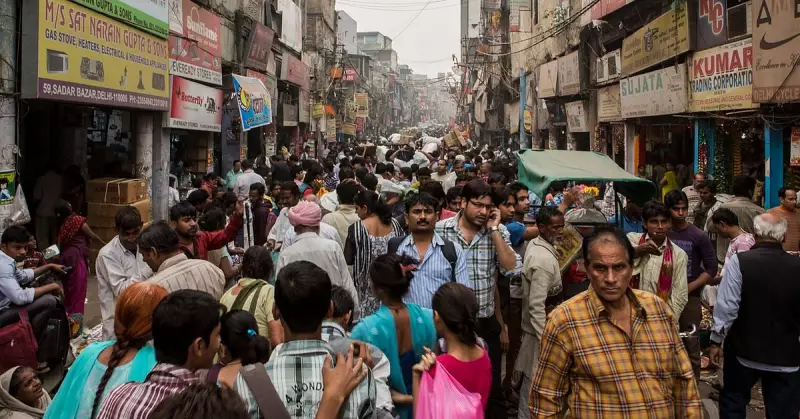
A recent analysis highlights a critical divergence in the development paths of India and China, explaining why India has struggled to build a robust global middle class comparable to its neighbour. While both nations began with similar foundations of surplus agricultural labour, their subsequent journeys—particularly regarding migration patterns—have led to starkly different economic and social outcomes.
The Textbook Model and Where India Diverged
Economists have long pointed to a standard model of development: surplus labour from low-productivity agriculture moves to fuel industrialisation and urbanisation, creating a prosperous middle class in cities. Both China and India initially followed this model, using their vast agricultural workforce as ballast for economic transformation. However, the similarity ends with the nature of the migration that powered this shift.
In China, young men and women migrated to urban centres in large numbers. This dual-gender migration facilitated faster urban family formation, greater workforce participation, and the consolidation of a consumer base with stable urban households. In contrast, India's migration story has been predominantly male. Men from rural areas moved to cities for work, often leaving families behind in villages.

The Gendered Nature of India's Urban Transition
This male-dominated migration pattern has had profound implications. Women from landless or marginal farming families, while also seeking work, often found it in different, less stable sectors. Many found seasonal employment at brick kilns and construction sites, work that is typically informal, temporary, and lacks the security needed for permanent urban settlement.
This creates a cycle of circular migration rather than permanent urban relocation. The man works in the city, sending remittances home, while the woman may engage in precarious seasonal labour. The family unit remains rooted in the village, preventing the full transition to an urban, middle-class lifestyle characterised by steady income, investment in education, and consumption.
Consequences for Middle-Class Formation
The consequences are clear in the data and analysis. China's approach accelerated the creation of a vast, consumption-oriented urban middle class. India's path resulted in a more fragmented outcome: significant urban economic growth, but without the parallel, broad-based rise of a secure, urban middle-class household sector.
The lack of family migration slows down the process of assimilation into urban economies and cultures. It limits women's participation in the formal urban workforce and constrains the household's ability to invest fully in urban human capital, such as education and skills. The potential economic engine of a unified, consuming middle class remains underpowered.
This analysis, highlighted in a Bloomberg Opinion piece dated 19 December 2025, underscores that development is not just about moving people from farms to factories. The demographics of that movement—specifically the inclusion of women in permanent urban migration—are a critical, often overlooked, factor in building a sustainable and expansive middle class, a lesson starkly illustrated in the contrasting tales of Asia's two giants.






