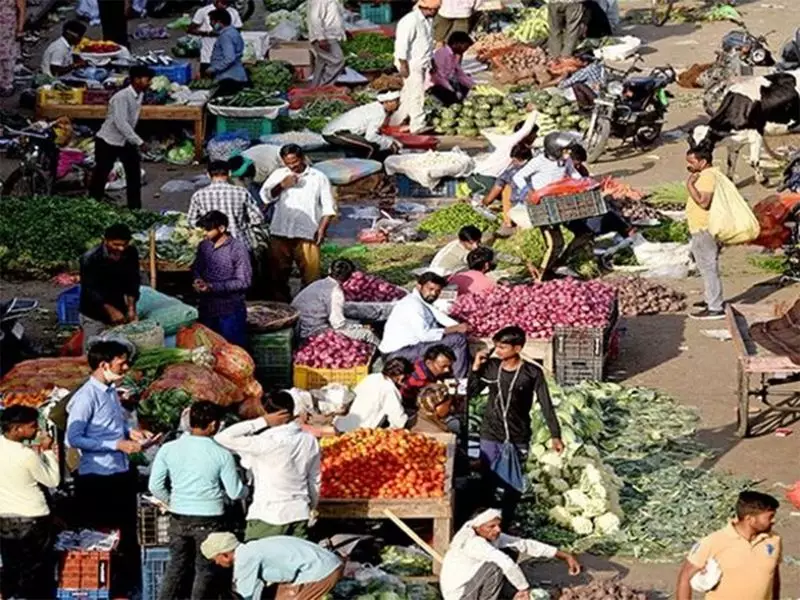
India's retail inflation showed significant improvement in October 2024, with the Consumer Price Index (CPI) easing to a range between 4% and 6%, according to a recent analysis by Bank of Baroda. The moderation comes as welcome relief for policymakers and consumers alike after persistent inflationary pressures.
Key Factors Driving Inflation Moderation
The primary driver behind this inflationary cooling has been softer commodity prices in global markets, particularly for essential items. Bank of Baroda economists highlighted that food inflation, which constitutes a substantial portion of India's CPI basket, showed notable signs of easing during the month.
Global factors have played a crucial role in this development. The report specifically mentioned that declining prices of various commodities in international markets have translated into domestic price relief. This trend has been particularly evident in food items, where supply conditions have improved and price pressures have subsided.

Economic Implications and Policy Considerations
The inflation data for October 2024 carries significant implications for India's economic trajectory and monetary policy. With CPI inflation moving closer to the Reserve Bank of India's medium-term target of 4%, the central bank gains more flexibility in its policy decisions.
Bank of Baroda's analysis suggests that the current inflation trajectory provides room for potential policy adjustments if the trend sustains. However, economists remain cautious about declaring victory over inflation prematurely, noting that external shocks and weather-related factors could still pose risks to the inflation outlook.
Broader Economic Context and Future Outlook
The October inflation reading marks an important milestone in India's battle against persistent price pressures that have challenged the economy in recent years. The moderation to 4-6% range represents substantial progress from earlier elevated levels that had prompted aggressive monetary tightening.
Looking ahead, economists will closely monitor whether this disinflationary trend continues in the coming months. The sustainability of this improvement will depend on multiple factors, including global commodity price movements, domestic agricultural production, and the evolution of demand-side pressures in the economy.
Market participants and policymakers alike will scrutinize the upcoming data releases to determine if this represents a genuine turning point in India's inflation narrative or merely temporary relief. The Bank of Baroda report emphasizes the need for continued vigilance despite the encouraging October numbers.