

India's Economic Growth Presents Mixed Picture Ahead of Budget
The latest economic estimates for India reveal a complex situation. While real growth numbers appear strong, underlying nominal trends raise important questions about fiscal flexibility.
Real Growth Versus Nominal Reality
Government data released on January 7 shows India's economy expanding at a healthy 7.4% in real terms. This performance stands out against a challenging global backdrop. However, the nominal GDP growth tells a different story. At just 8%, it marks the slowest pace since the 2003 financial year.
The narrow gap between these two measures stems from collapsing inflation indicators. The GDP deflator, which statisticians use to separate price effects from real output growth, has dropped significantly. This creates a situation where the economy appears strong in one measure but constrained in another.

Fiscal Framework Under Pressure
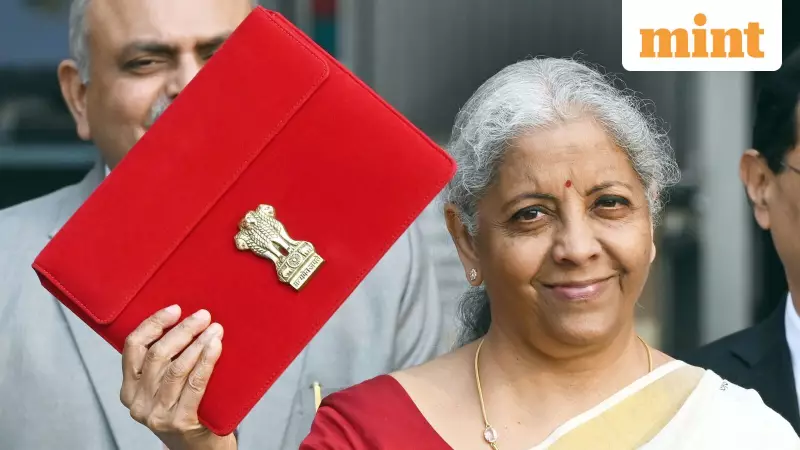
Finance Minister Nirmala Sitharaman faces this reality as she prepares the upcoming Union budget. Last year, she announced a new fiscal policy framework with a clear goal: reducing public debt relative to GDP over the medium term. The annual fiscal deficit serves as the primary tool to achieve this objective.
This approach mirrors the Reserve Bank of India's inflation targeting strategy. Just as the central bank adjusts interest rates to control prices, the government now uses budget balances to manage debt levels.
The Critical Role of Nominal Growth
Nominal GDP growth plays a starring role in debt management. Public debt dynamics depend on two key factors. First comes the primary deficit, representing government spending minus revenues before interest payments. Second is what economists call the 'r minus g' differential.
This differential compares the nominal interest rate on government debt against nominal economic growth. When growth outpaces borrowing costs, the economy can effectively grow its way out of debt. The opposite situation creates mounting pressure.
The government directly controls primary deficits through budget decisions about revenue collection and spending priorities. However, the growth-interest rate relationship reflects broader economic forces that policymakers cannot easily manipulate.
International Lessons for India
Historical examples from other nations offer valuable insights. European countries in the 1990s faced positive interest-growth gaps, forcing them to maintain primary surpluses to meet fiscal criteria. This painful experience continues to shape their conservative fiscal approaches today.
Japan presents a contrasting case. Ultra-low interest rates have created negative differentials for decades, allowing debt levels above 250% of GDP without triggering immediate crisis. However, sustainability concerns persist.
India has traditionally enjoyed favorable conditions with strong nominal growth and manageable borrowing costs. This combination provided successive governments with policy space to avoid austerity measures that could have harmed economic momentum.
Current Challenges and Future Implications
The recent slowdown in nominal GDP growth changes this equation. The gap between government borrowing costs and economic expansion now stands at one of its most unfavorable levels in twenty-five years. This development complicates fiscal management.
Policymakers face limited options. Either nominal growth must accelerate in coming years, or interest rates need to decline substantially. Otherwise, maintaining debt reduction while supporting economic activity becomes increasingly difficult.
The situation affects not just the central government but state finances as well. Many regional administrations appear headed toward fiscal stress points. India has successfully reduced annual deficits following pandemic disruptions, boosting policy credibility.
However, preserving some fiscal flexibility remains crucial. If global conditions worsen, the government may need stimulus measures to support domestic activity. Sluggish nominal growth restricts this capacity while trying to keep debt ratios on a downward trajectory.

The coming budget presentation will reveal how policymakers plan to navigate these competing priorities. Balancing growth support with fiscal responsibility represents the central challenge of India's current economic moment.





