

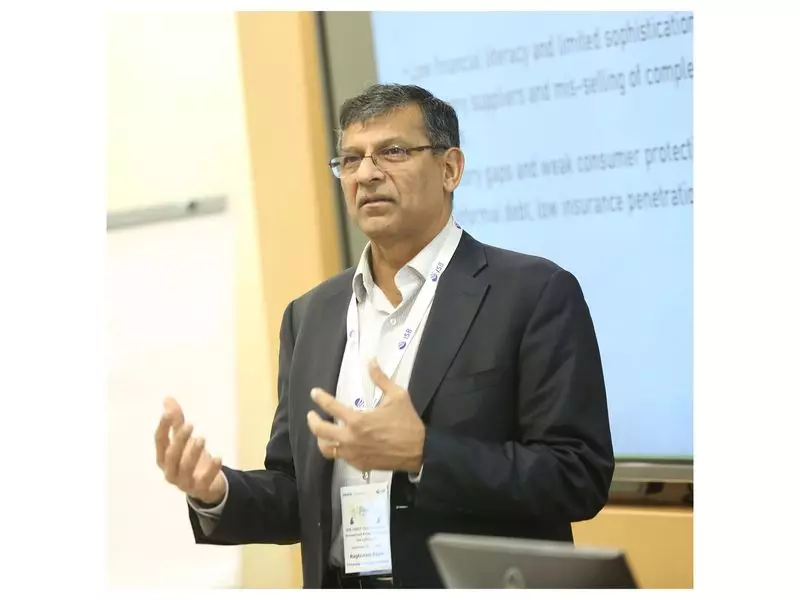
The Indian School of Business (ISB) in collaboration with the prestigious National Bureau of Economic Research (NBER) successfully concluded a significant academic conference focused on a critical theme: Household Finance Across the Lifecycle. The event, held at ISB's Hyderabad campus, brought together a distinguished assembly of global scholars, policymakers, and industry experts to dissect the financial challenges and behaviors of households at different stages of life.
Global Minds Converge on Hyderabad
The conference served as a premier platform for the exchange of cutting-edge research and ideas. It featured presentations and discussions on a wide array of topics central to household financial well-being. Key areas of exploration included savings behavior, investment patterns, retirement planning, debt management, and the impact of financial technology. A notable highlight was the special session dedicated to household finance in India, examining the unique socio-economic dynamics of the Indian market.
Esteemed academics and researchers from the NBER network, along with faculty from ISB and other leading institutions, presented their latest findings. The discussions aimed to bridge the gap between theoretical economic models and the practical financial decisions faced by families every day. The presence of such international expertise on Indian soil underscored the growing importance of region-specific research in the global discourse on finance.

Focus on the Indian Context and Policy Implications
A core objective of the conference was to shed light on the financial lifecycle challenges specific to Indian households. Researchers delved into how families in India save, invest for education, manage healthcare costs, and prepare for retirement. The insights generated are expected to have profound implications for financial product design, regulatory frameworks, and literacy initiatives in the country.
The collaborative effort between ISB and NBER signifies a robust commitment to advancing knowledge in this vital field. By fostering dialogue between global research standards and local realities, the conference contributed valuable perspectives that can inform both academic thought and real-world policy. The findings emphasized the need for life-stage-specific financial solutions that can enhance economic security for millions.
Driving Future Research and Economic Understanding
The event concluded with a forward-looking perspective on the future of household finance research. Participants emphasized the role of data analytics, behavioral economics, and digital inclusion in shaping the next generation of financial services. The conference successfully established a framework for ongoing collaboration, aiming to produce research that can directly impact economic policy and personal financial stability.
This gathering marks a pivotal step in positioning India as a focal point for serious academic inquiry into household economics. The partnership between a top Indian business school and a world-renowned economic research organization promises to yield continued insights, helping households navigate their financial journeys with greater confidence and support.






