LPG Shortage in India: Navigating Supply Disruptions Amid West Asia Crisis
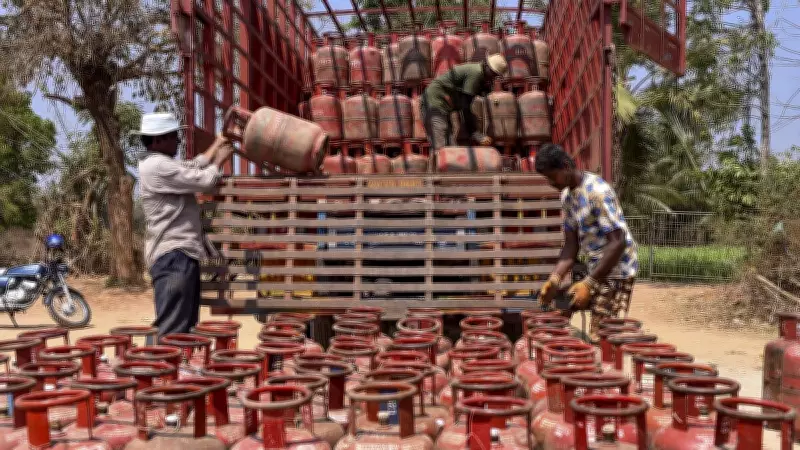
India is currently grappling with a significant LPG (liquefied petroleum gas) shortage, triggered by the ongoing crisis in West Asia. This disruption has led to a series of challenges for consumers, including price hikes and extended booking periods for cylinder refills. The situation underscores the vulnerability of India's energy supply chain to global geopolitical tensions.
Key Factors Driving the LPG Shortage
The primary cause of the LPG shortage is the West Asia crisis, which has disrupted shipping routes and supply chains in the region. West Asia is a crucial source of LPG imports for India, and any instability there directly impacts availability. Additionally, logistical bottlenecks and increased demand during the crisis have exacerbated the supply crunch.
Price Hike of Rs 60 per Cylinder: In response to the shortage, oil marketing companies have implemented a price hike of approximately Rs 60 per LPG cylinder. This increase aims to offset rising import costs and manage supply constraints, but it places an additional financial burden on households, especially in rural and low-income areas.

Government and Industry Measures
To mitigate the impact, authorities have introduced several measures. The booking period for LPG cylinder refills has been extended to ensure more orderly distribution and reduce panic buying. This extension allows consumers to plan their refills better, though it may lead to longer wait times in some regions.
Supply Chain Adjustments: Efforts are underway to diversify LPG sources and enhance domestic production. The government is also exploring alternative transportation routes to bypass affected areas in West Asia. However, these measures may take time to yield results, and short-term shortages are expected to persist.
Consumer Impact and Recommendations
Consumers are advised to book their LPG cylinders well in advance and monitor official updates from oil companies. Potential impacts include:
- Delayed deliveries in high-demand areas.
- Increased costs for households and businesses.
- Need for conservation and efficient use of LPG.
In summary, the LPG shortage highlights the interconnectedness of global events and local supply chains. While government interventions aim to stabilize the situation, consumers should stay informed and adapt to the evolving scenario. The crisis serves as a reminder of the importance of energy security and contingency planning in India's policy framework.