RBI MPC Member Highlights Short-Term Economic Risks from Middle East Conflict
Nagesh Kumar, an external member of the Reserve Bank of India's Monetary Policy Committee (MPC), has cautioned that the ongoing conflict in the Middle East could create immediate challenges for the Indian economy. In an exclusive emailed interview with PTI, Kumar outlined how escalating tensions might impact oil prices, trade flows, and remittances, though he emphasized that India's long-term growth trajectory remains largely unaffected.
Immediate Economic Risks and Oil Price Concerns
The breakout of the Middle East conflict poses some immediate-term challenges for the Indian economy by raising oil prices, disrupting exports destined to the region and the potential loss of remittances, besides threatening security of the Indian diaspora in the region, Kumar stated. He noted that the conflict has intensified following recent US-Israel strikes, which could keep oil prices firm in the near term. In the immediate short run, the conflict is escalating with US-Israel strikes and oil prices are likely to harden, he explained, adding a hopeful note that the crisis might be resolved soon given the high global stakes involved.
Strategies to Mitigate Energy Supply Disruptions
Kumar highlighted that diversification of crude oil sourcing could help cushion the impact of the crisis on India's energy supplies. The opening up of Venezuelan oil supplies for India is also likely to be helpful, as it diversifies the options, he said. Furthermore, he pointed out that if tensions in the Middle East ease and sanctions on Iran are lifted, India could benefit from access to cheaper oil, providing a potential buffer against price volatility.

Inflation Outlook and Growth Prospects
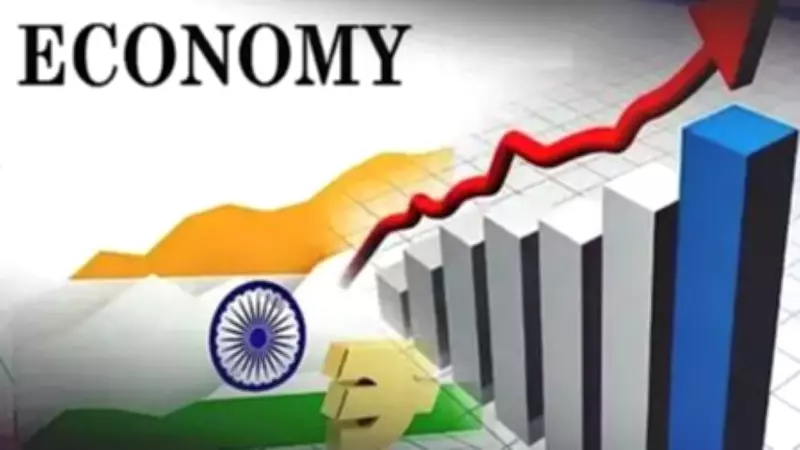
Despite these geopolitical risks, Kumar reassured that inflation remains under control and does not currently threaten macroeconomic stability. Headline CPI stood at 1.3 per cent in December 2025 and is projected to be around 2.5 per cent in FY2026, even under the new data series, he reported. The inflation outlook is not showing any concerns of overheating. This stable inflation, combined with improving growth prospects, could allow India to remain in what he termed the Goldilocks zone—a phase of steady growth with manageable inflation.
Long-Term Growth Trajectory and Policy Coordination
Kumar expressed optimism about India's economic future, noting the potential to accelerate growth from around 7 per cent to nearly 8 per cent. This growth would be supported by expansion in manufacturing alongside the continued dynamism of the services sector. Going forward, fiscal and monetary policies should work in a coordinated manner to support the transition of the economy to a higher GDP growth trajectory, he advised. He stressed that this higher growth, underpinned by a robust manufacturing sector, is essential for creating adequate decent job opportunities and durable prosperity.
In summary, while the Middle East conflict presents short-term hurdles such as higher energy costs and trade disruptions, India's economic fundamentals remain strong, with inflation in check and growth poised for acceleration, provided policies are effectively coordinated.