

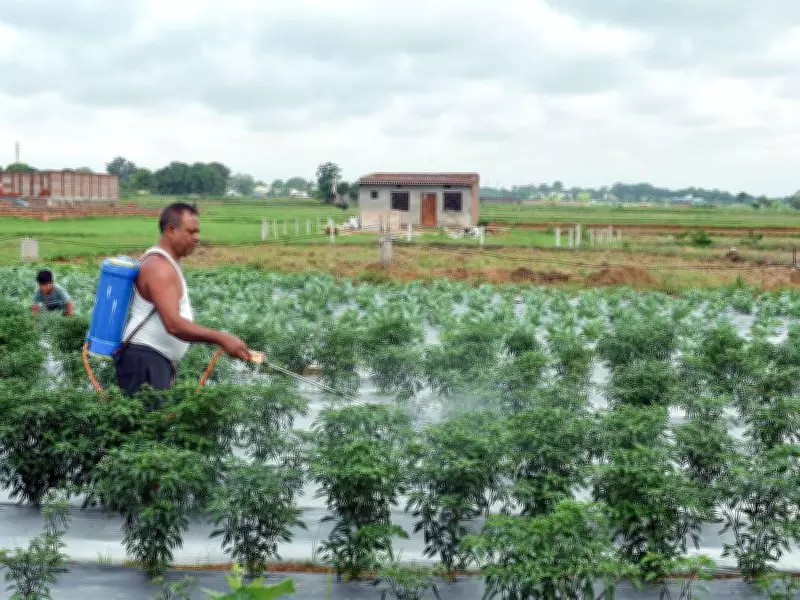
Below-Normal Monsoon and West Asia Conflict Cloud India's Agriculture Outlook
India's agricultural sector is bracing for a challenging period as two significant factors converge to cast a shadow over its outlook. The India Meteorological Department (IMD) has forecast a below-normal monsoon for the upcoming season, while escalating conflicts in West Asia add to the uncertainty, potentially disrupting supply chains and impacting global commodity prices.
Monsoon Forecast Raises Concerns
The IMD's prediction of a below-normal monsoon, with rainfall expected to be 95% of the long-period average, is a critical development for India's agriculture-dependent economy. Monsoon rains are vital for kharif crops such as rice, pulses, and oilseeds, which account for a substantial portion of the country's food production. A deficit in rainfall could lead to reduced crop yields, affecting farmers' incomes and contributing to food inflation. Historical data shows that poor monsoons have often triggered spikes in food prices, straining household budgets and economic stability.
West Asia Conflict Adds to Uncertainty
Simultaneously, the ongoing conflict in West Asia poses additional risks to India's agricultural outlook. This region is a key source of fertilizers and energy imports for India, and any escalation could disrupt supply chains, leading to higher input costs for farmers. Moreover, global commodity markets are sensitive to geopolitical tensions, which might drive up prices for essential agricultural products. This dual pressure from domestic weather patterns and international conflicts creates a complex scenario for policymakers and stakeholders in the agriculture sector.

Potential Impacts on Economy and Food Security
The combined effect of a below-normal monsoon and West Asia tensions could have far-reaching consequences. Reduced crop production may necessitate increased imports to meet domestic demand, affecting India's trade balance. Food inflation could rise, impacting consumers and potentially prompting government interventions such as subsidies or export restrictions. Farmers, already facing challenges from climate variability, might experience financial stress, highlighting the need for resilient agricultural practices and supportive policies.
Looking Ahead
As India navigates these challenges, monitoring monsoon progress and geopolitical developments will be crucial. Stakeholders are advised to prepare for potential volatility in agricultural markets and explore strategies to mitigate risks, such as diversifying crop patterns and enhancing irrigation infrastructure. The situation underscores the interconnectedness of global events and local agriculture, emphasizing the importance of adaptive measures to safeguard food security and economic growth.






