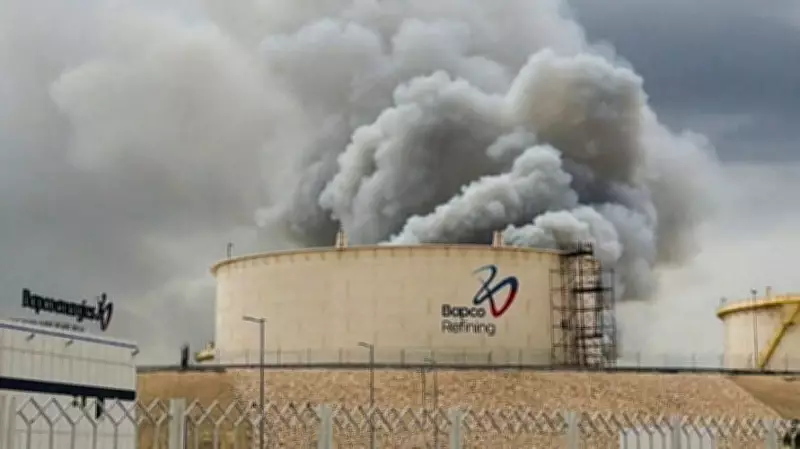
Oil Prices Skyrocket as West Asia Conflict Intensifies
The global financial landscape has been jolted by a sharp escalation in the West Asia conflict, leading to significant volatility across key economic indicators. Oil prices have surged dramatically, driven by heightened geopolitical tensions that threaten supply disruptions in one of the world's most critical energy-producing regions. This sudden spike in crude costs has sent shockwaves through markets, exacerbating concerns over inflation and economic stability on a global scale.
Indian Markets Bear the Brunt of Geopolitical Turmoil
In India, the repercussions have been immediate and severe. The stock market experienced a substantial decline, with major indices plummeting as investor sentiment turned cautious amid the uncertainty. Simultaneously, the Indian rupee weakened against the US dollar, reflecting broader market anxieties and capital outflows triggered by the conflict. This dual pressure on equities and currency underscores the vulnerability of emerging economies to external geopolitical shocks, particularly those linked to energy security.
Factors Driving the Market Turbulence
The escalation in West Asia has amplified fears of prolonged supply chain disruptions, which could further strain global oil reserves and push prices even higher. Analysts point to several key factors contributing to the market downturn:

- Geopolitical Risk Premium: The conflict has injected a significant risk premium into oil prices, as traders anticipate potential supply cuts or logistical hurdles.
- Investor Flight to Safety: In times of uncertainty, investors often shift funds to safer assets, leading to sell-offs in riskier markets like stocks and emerging market currencies.
- Economic Implications: Higher oil prices typically translate into increased import costs for oil-dependent nations like India, worsening trade deficits and putting downward pressure on the rupee.
Broader Impact on Global and Domestic Economy
Beyond immediate market reactions, the conflict's escalation poses longer-term challenges. For India, a sustained rise in oil prices could fuel inflation, complicate monetary policy decisions, and slow economic growth. Globally, it threatens to derail recovery efforts in a post-pandemic era, as energy costs are a critical component of production and consumption worldwide. The situation highlights the interconnectedness of geopolitical events and financial markets, emphasizing the need for robust risk management strategies among policymakers and investors alike.
As tensions continue to unfold, market participants are closely monitoring developments in West Asia, with any further escalation likely to exacerbate the current financial strain. The coming days will be crucial in determining whether this volatility is a temporary blip or the start of a more prolonged period of economic uncertainty.