

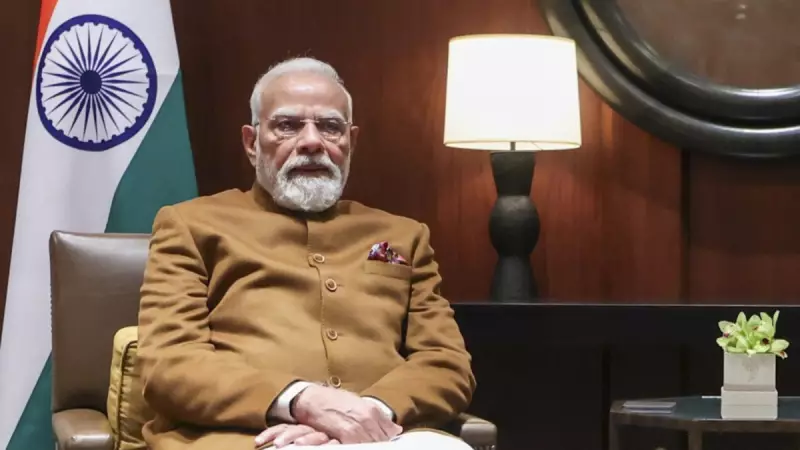
Prime Minister Narendra Modi on Monday engaged in a significant pre-budget consultation, sitting down with a diverse group of top economists and sectoral specialists. The high-level meeting, held in New Delhi, was aimed at soliciting crucial inputs and recommendations for shaping the Union Budget for the financial year 2026-27.
Key Focus Areas of the Pre-Budget Discussion
The closed-door consultation, which took place on December 30, 2024, saw the Prime Minister actively seeking expert opinions on a wide range of economic challenges and opportunities. The discussions are understood to have revolved around several core themes critical to India's next phase of development.
A primary focus was on strategies to sustain high economic growth while ensuring it is inclusive and generates ample employment opportunities. Experts likely presented views on navigating global economic uncertainties and boosting domestic consumption and investment. The talks also covered critical sectors like agriculture, manufacturing, and exports, with an emphasis on enhancing competitiveness and creating jobs.

Another significant area of deliberation was the future roadmap for fiscal consolidation. The economists would have provided insights on managing the fiscal deficit, optimizing government expenditure, and mobilizing resources without stifling growth. The conversation also touched upon furthering the government's reform agenda, potentially including areas like land, labor, and ease of doing business to attract long-term investments.
Broad Representation and Government's Receptive Stance
The meeting featured a broad spectrum of economic thought, ensuring the government receives balanced and multifaceted advice. The group included experts from fields such as macroeconomics, public finance, rural development, and social sector policy. This diverse participation underscores the government's intent to base its budgetary decisions on comprehensive ground-level feedback and rigorous economic analysis.
Officials indicated that the Prime Minister listened intently to all suggestions and perspectives presented during the session. The exercise is part of the government's established practice of holding wide-ranging consultations with stakeholders before finalizing the budget. The inputs gathered from this meeting, along with those from other stakeholder groups like industry bodies and state finance ministers, will be carefully examined by the Finance Ministry as it begins the intricate process of budget formulation.
Setting the Stage for a Forward-Looking Budget
This early consultation, held well over a year before the budget's presentation, signals a proactive and strategic approach to economic planning. The Budget for 2026-27 will be a critical document, setting the tone for the latter half of this decade and laying the foundation for achieving long-term national development goals.
The government's outreach to independent economists highlights its focus on evidence-based policymaking. The recommendations are expected to influence priorities related to infrastructure spending, social welfare schemes, tax policies, and initiatives aimed at boosting innovation and green energy. With global headwinds and a dynamic domestic scenario, the budget will need to carefully balance growth imperatives with fiscal prudence.
As the NDA government continues its third term, all eyes will be on how these consultations translate into concrete policy measures. The Union Budget 2026-27, which will be presented by Finance Minister Nirmala Sitharaman, is anticipated to build on the government's reform trajectory while addressing immediate economic concerns of price stability and livelihood security for millions of Indians.






