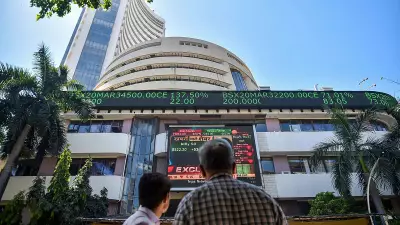
Prime Minister Narendra Modi's recent call for austerity and the subsequent cost-cutting advice from NITI Aayog have triggered a wave of uncertainty among traders across the country. The government's push for fiscal discipline, aimed at reducing unnecessary expenditure, has raised concerns about potential cuts in welfare schemes and infrastructure projects that directly impact business communities.
NITI Aayog's Recommendations
NITI Aayog has reportedly advised ministries and departments to curtail non-essential spending, including travel expenses, office supplies, and events. The advisory aligns with PM Modi's appeal to minimize waste and optimize resource utilization, especially in the wake of economic challenges. However, traders fear that reduced government spending could lead to lower demand for goods and services, affecting their revenues.
Impact on Local Businesses
Small and medium enterprises (SMEs), which often rely on government contracts and public spending, are particularly anxious. Many traders in Amritsar and other cities have expressed concerns about a potential slowdown in business activity. A local trader, Ramesh Gupta, said, "Government orders form a significant part of our business. If spending is cut, it will directly hit our earnings and could lead to job losses."

Government's Perspective
Officials argue that the austerity measures are necessary to maintain fiscal health and redirect funds to priority sectors like healthcare and education. They emphasize that the move is not aimed at stifling growth but at ensuring long-term economic stability. However, the lack of clear communication has left traders guessing about the exact implications.
Mixed Reactions
While some industry bodies have welcomed the focus on efficiency, others have called for a balanced approach. The Confederation of All India Traders (CAIT) has urged the government to engage with stakeholders before implementing drastic cuts. "We support fiscal prudence, but sudden policy shifts can disrupt supply chains and discourage investment," said a CAIT spokesperson.
Looking Ahead
As the government finalizes its austerity roadmap, traders are hoping for clarity and reassurance. The coming months will be crucial in determining whether the cost-cutting measures lead to a more efficient economy or inadvertently dampen economic activity. For now, uncertainty prevails in the markets.