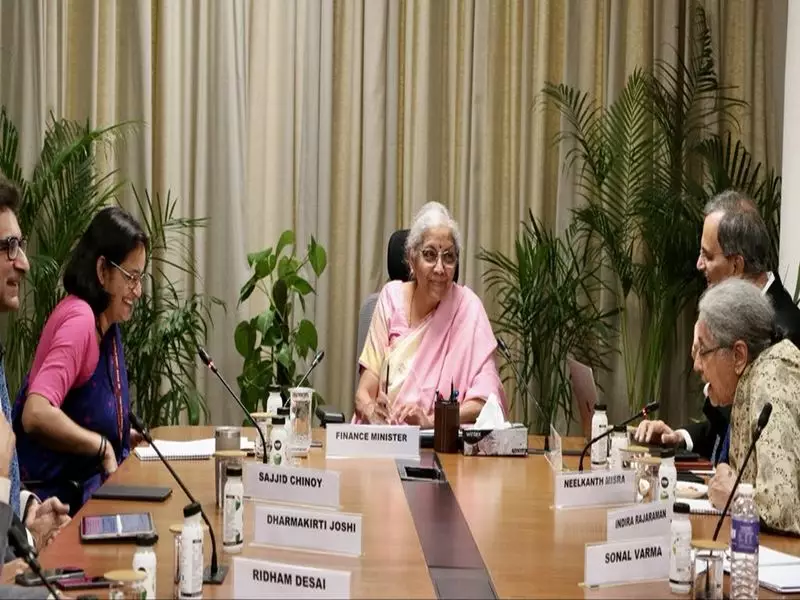
Finance Minister Nirmala Sitharaman has officially commenced the pre-budget consultation process for the Union Budget 2026-27, marking the beginning of extensive stakeholder engagements that will shape India's economic direction. The first session, held on Tuesday, brought together prominent economists and agricultural experts to discuss critical economic challenges and opportunities.
Stakeholder Engagement Process Begins
The consultation meetings represent a crucial phase in the budget formulation process, where the government seeks inputs from various sectors of the economy. The initial meeting focused on gathering perspectives from economists and representatives from the agriculture and farmers' welfare sectors, recognizing their vital role in India's economic ecosystem.
This early start to budget preparations, almost a full year before the budget presentation, demonstrates the government's commitment to thorough planning and inclusive policymaking. The consultations will continue through multiple sessions with different stakeholder groups in the coming weeks and months.

Key Discussion Points and Priorities
During the meeting, participants engaged in comprehensive discussions covering several critical areas of economic management. Managing inflation emerged as a primary concern, with experts providing insights on maintaining price stability while supporting growth objectives.
The agriculture sector received significant attention, given its importance to rural employment and food security. Discussions likely covered strategies for enhancing farmer incomes, improving agricultural productivity, and addressing challenges in the farm sector. Other key topics included fiscal consolidation roadmaps, growth-enhancing measures, and sector-specific interventions needed to boost economic performance.
The timing of these consultations allows for thorough analysis and incorporation of stakeholder suggestions into the final budget document. This approach contrasts with the compressed timelines often seen in budget preparation processes.
Broader Consultation Framework
This initial meeting with economists and agriculturists represents just the beginning of a wider consultation exercise. The finance ministry typically follows this with sessions involving representatives from:
- Industry and trade associations
- Financial sector and capital market participants
- Labor unions and social sector organizations
- State government representatives
- Various other stakeholder groups
The comprehensive nature of these consultations ensures diverse perspectives inform the budget-making process, making it more responsive to ground-level realities and emerging economic trends.
Budget 2026-27 holds particular significance as it will be a full-year budget following the interim budget typically presented in election years. This allows for more substantial policy announcements and structural reforms that could shape India's medium-term economic trajectory.
Economic Context and Expectations
The consultations come at a time when the Indian economy continues to demonstrate resilience amid global uncertainties. Economists participating in the meeting likely provided assessments of both domestic and international economic scenarios that could influence budget priorities.
Key considerations for Budget 2026-27 include sustaining the growth momentum while maintaining fiscal discipline, addressing employment challenges, and continuing infrastructure investments. The agriculture sector discussions would have focused on measures to boost rural demand and enhance farm sustainability.
The early initiation of pre-budget meetings suggests the government aims to allow sufficient time for analyzing recommendations and crafting well-considered policy responses. This methodical approach could result in a more strategic budget that addresses both immediate concerns and long-term objectives.
As the consultation process unfolds over the coming months, stakeholders across sectors will watch closely for indications of the government's policy priorities and fiscal strategy for the upcoming financial year.