

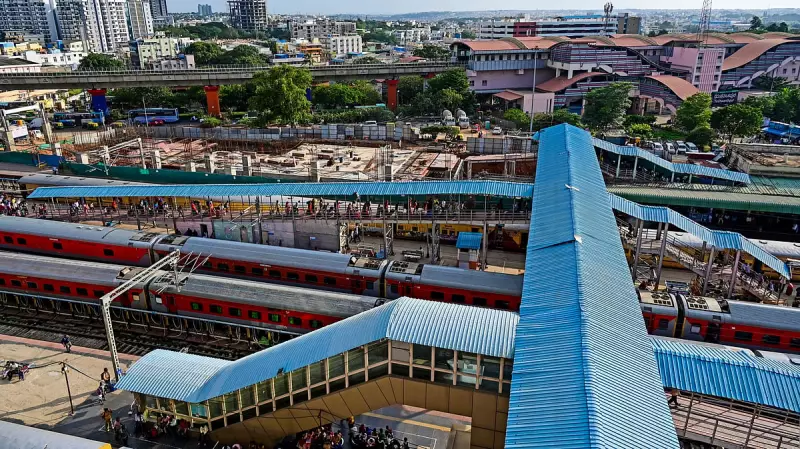
Passengers across India will have to dig deeper into their pockets for train travel, as the national carrier has implemented a modest increase in fares. The decision, announced on 25 December 2025, is attributed to escalating operational costs. However, this financial adjustment has sparked criticism for being a standalone measure, lacking a parallel commitment to urgently needed enhancements in safety protocols and core passenger services.
The Rationale Behind the Increased Ticket Prices
The fare revision, confirmed by sources within the railways, is a direct response to the mounting financial pressures of running the world's fourth-largest rail network. Factors like rising fuel costs, increased expenditure on maintenance, and higher wages have squeezed the railways' budget. The hike, described as "modest," is intended to partially offset these growing expenses without placing an excessive burden on the common traveler. Yet, the timing and context have left many questioning the priorities of the railway administration.
A Missed Opportunity for Systemic Reform
Critics argue that the fare hike represents a lost chance for a much-needed "course correction." The primary concern is that the additional revenue generated is not explicitly tied to tangible improvements in two critical areas: safety and service quality. India's vast railway system has been plagued by accidents in the past, highlighting the need for sustained investment in track modernization, signaling upgrades, and bridge repairs. Similarly, passengers often complain about the state of cleanliness, punctuality, and basic amenities onboard and at stations.

The editorial viewpoint suggests that a fare increase is more palatable to the public when it is presented as part of a comprehensive package that directly benefits them. Announcing a hike without a clear, communicated plan to address these perennial issues makes it seem like a mere revenue-generating exercise. It fails to build passenger confidence that their extra rupees will lead to a safer, more comfortable, and more reliable journey.
Public Reaction and the Path Forward
The move is likely to draw mixed reactions from the millions of daily commuters and long-distance travelers for whom the railways are an indispensable and affordable mode of transport. While some may understand the economic necessity, the absence of a concurrent announcement regarding service upgrades will fuel discontent. The expectation is that the Indian Railways will now be under greater public scrutiny to demonstrate that the increased funds are being channeled effectively.
For true progress, stakeholders emphasize that fare adjustments must be coupled with transparent accountability. This includes publishing clear timelines for safety audits, rolling out new train sets, improving station facilities, and leveraging technology for better real-time information. Only then can the railways assure the nation that this fare hike is a step toward a genuine transformation, rather than just a financial stopgap that leaves fundamental problems unaddressed.






