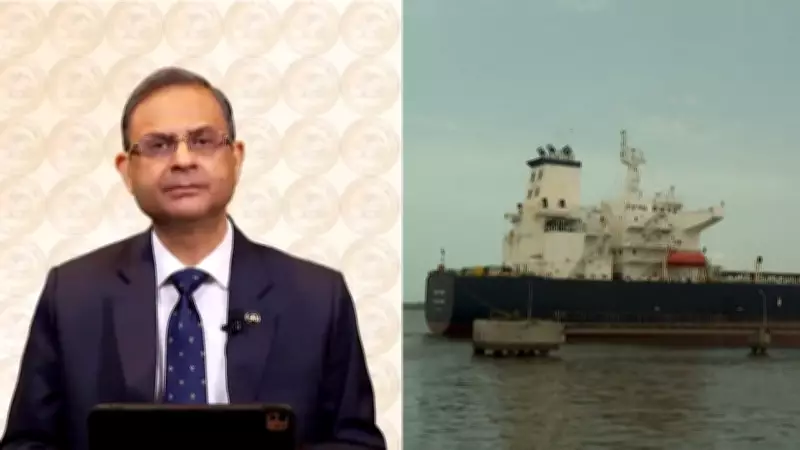
RBI Governor Flags Economic Risks from Strait of Hormuz Disruptions
Reserve Bank of India Governor Sanjay Malhotra has issued a stark warning about potential disruptions in the Strait of Hormuz, stating they could significantly impact India's economic growth trajectory. The governor's comments come amid heightened global uncertainty and West Asia tensions that have created a challenging environment for economic policymakers.
Critical Warning About Oil Supply Vulnerabilities
Governor Malhotra specifically highlighted the risks associated with rising crude oil prices and global uncertainty stemming from geopolitical tensions. The Strait of Hormuz serves as a crucial maritime chokepoint through which approximately one-fifth of the world's oil passes, making it vital for India's energy security and economic stability.
The RBI governor emphasized that any disruption in this critical waterway could have cascading effects on India's economy, potentially driving up inflation and creating external vulnerabilities. India imports over 80% of its crude oil requirements, making the country particularly sensitive to supply disruptions and price volatility in global energy markets.

Monetary Policy Stance Amid Economic Headwinds
In its latest policy review, the Reserve Bank of India maintained a cautious stance by keeping the repo rate unchanged at 5.25%. This decision reflects the central bank's balancing act between supporting economic growth and containing inflationary pressures that could be exacerbated by external shocks.
The monetary policy committee flagged persistent inflation concerns alongside external vulnerabilities, particularly in light of the ongoing tensions in West Asia. The RBI's assessment suggests that while domestic economic indicators show resilience, external factors pose significant risks that require careful monitoring and policy responses.
Broader Economic Implications and Policy Challenges
The warning from India's central bank governor comes at a time when global economic uncertainty has increased due to multiple geopolitical flashpoints. The potential disruption of oil supplies through the Strait of Hormuz represents one of the most significant external risks to India's economic outlook.
Key concerns highlighted by the RBI include:
- Increased inflationary pressures from rising energy costs
- Potential impact on India's current account deficit
- Exchange rate volatility from external shocks
- Broader implications for economic growth and stability
Governor Malhotra's warning underscores the interconnected nature of global energy markets and national economies. As India continues its economic development journey, managing external vulnerabilities while maintaining domestic stability remains a critical policy challenge for the central bank and government alike.