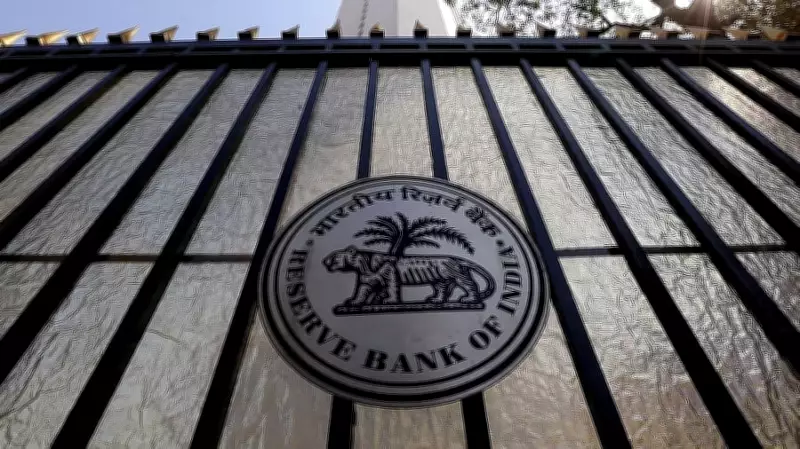
The Reserve Bank of India (RBI) may have sold a portion of its gold reserves in recent months to shore up the country's foreign exchange reserves, according to a report. The move comes amid persistent pressure on the Indian rupee and rising import costs, which have led to a depletion of forex reserves.
Gold sales to stabilize reserves
The report, citing sources familiar with the matter, indicates that the RBI sold gold in the international market to generate dollars. This strategy is part of the central bank's efforts to maintain adequate forex reserves to meet external obligations and stabilize the currency. India's forex reserves have declined from a peak of over $642 billion in September 2021 to around $530 billion in recent weeks, partly due to the central bank's intervention to support the rupee.
Impact on gold holdings
The RBI is one of the largest holders of gold among central banks globally. As of March 2022, the central bank held 760.42 tonnes of gold, with 392.42 tonnes held overseas. The potential sale of gold would mark a shift in strategy, as the RBI has been a net buyer of gold in recent years as part of diversifying its reserves away from the US dollar.

Gold prices have been volatile in 2022, influenced by geopolitical tensions, inflation, and monetary policy tightening by major central banks. The sale of gold by the RBI could be aimed at taking advantage of high prices while addressing the immediate need for dollar liquidity.
Forex reserve management
The RBI's primary objective in managing forex reserves is to ensure adequate liquidity to meet external shocks and maintain confidence in the economy. The central bank uses a variety of instruments, including foreign currency assets, gold, Special Drawing Rights (SDRs), and the reserve position in the International Monetary Fund (IMF).
The potential gold sale underscores the challenges faced by the RBI in managing reserves amid a strong dollar and rising interest rates in the United States. The Indian rupee has depreciated by over 10% against the US dollar in 2022, prompting the RBI to intervene in the forex market to curb volatility.
Market reaction
The news of possible gold sales has not been officially confirmed by the RBI. Market participants are closely watching the central bank's next moves, as any further reduction in gold holdings could signal continued pressure on reserves. However, analysts note that the RBI has a comfortable level of reserves to cover imports and short-term debt obligations.
India's forex reserves currently cover about 9 months of imports, which is above the standard benchmark of 3-6 months. Nevertheless, the central bank remains vigilant against external vulnerabilities, including the widening current account deficit and capital outflows.
Conclusion
The reported gold sales by the RBI highlight the delicate balancing act central banks face in times of global economic uncertainty. While the move may provide short-term relief to forex reserves, it also underscores the need for structural reforms to reduce India's dependence on imported goods and attract stable capital flows.