

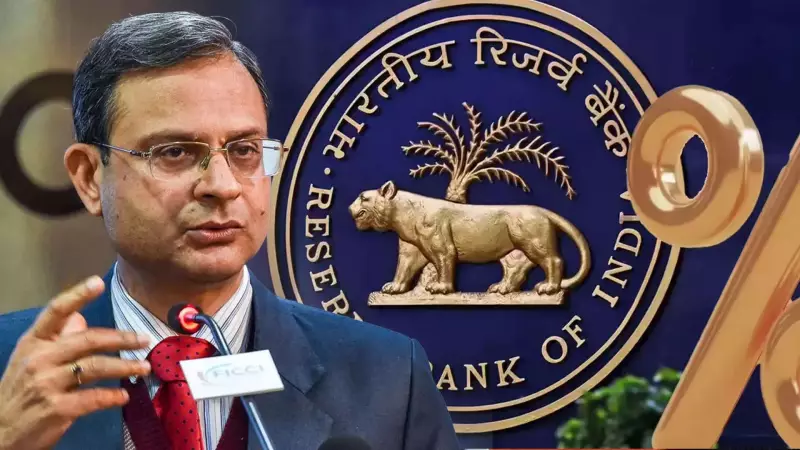
In a significant move to bolster economic growth, the Reserve Bank of India (RBI) has announced a cut in its key lending rate. The decision, led by Governor Sanjay Malhotra, marks a strategic pivot in the country's monetary policy stance.
A Unanimous Decision for Growth
The Monetary Policy Committee (MPC) of the RBI met on December 5, 2025, and unanimously voted to reduce the repo rate by 25 basis points to 5.25%. This decision follows a comprehensive review of the economic landscape, where cooling inflation and steady growth indicators provided the necessary room for easing.
Governor Malhotra highlighted that headline inflation has been declining faster than earlier projections, while core inflation has shown signs of stabilisation. The central bank expressed confidence that price pressures would remain anchored around the 4% target in the foreseeable future, creating a favourable environment for supporting expansion.

Liquidity Infusion and Revised Forecasts
To ensure the rate cut effectively translates into systemic liquidity and lower borrowing costs, the RBI announced substantial liquidity-enhancing measures. In December, the central bank will conduct:
- Open Market Operation (OMO) purchases worth ₹1 lakh crore.
- A $5 billion dollar-rupee swap operation.
Concurrently, the RBI delivered an optimistic revision to its growth outlook. India's real GDP growth forecast for the current fiscal year has been upgraded to 7.3%. This upward revision is attributed to multiple robust factors:
- Strong domestic demand across sectors.
- Positive impacts from GST reforms.
- Lower global crude oil prices.
- Front-loaded capital expenditure by the government.
The assessment noted broad-based strength in both the industrial and services sectors, underpinning the revised growth trajectory.
Implications for the Economy and Consumers
This policy shift is poised to have wide-reaching effects. A lower repo rate typically leads to a reduction in lending rates by commercial banks. This means Equated Monthly Instalments (EMIs) for home, auto, and personal loans are set to become cheaper, boosting consumer spending and investment.
The combined effect of the rate cut and massive liquidity injection is designed to stimulate economic activity further. Governor Sanjay Malhotra's policy package is viewed as a pivotal moment intended to cement India's recovery and accelerate its growth path amidst a stable macroeconomic environment.
By addressing inflation concerns proactively and decisively acting to support growth, the RBI's move aims to balance stability with momentum, setting the stage for a stronger economic performance in the coming quarters.






