

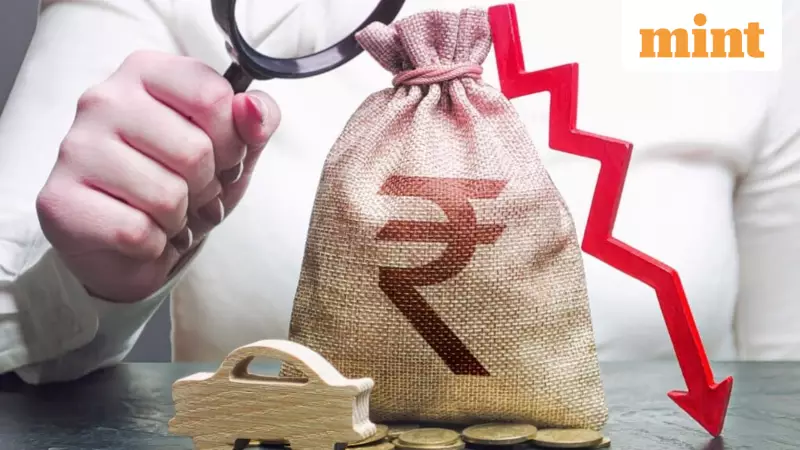
The Indian rupee has breached a critical psychological barrier, sliding past ₹90 per US dollar to mark its weakest level in history. This unprecedented depreciation is not just a number on a screen; it signals a period of heightened financial stress for millions of ordinary citizens across the country. The record-low exchange rate has ignited intense scrutiny of economic management, moving the issue from financial pages to kitchen-table conversations.
The Multi-Layered Impact on Daily Life
While currency movements can seem abstract, a sharp fall in the rupee's value has immediate and tangible consequences. Research Analyst Raj Gaikar of SAMCO Securities breaks down the dual impact. "The rupee slipping to ₹90 per dollar and hitting a record low impacts ordinary citizens both directly and indirectly," he states. The chain reaction begins with India's heavy dependence on imported crude oil.
A weaker rupee means oil marketing companies need to shell out more rupees for every barrel of dollar-denominated crude. This translates directly into higher prices for petrol, diesel, and LPG at the pump and in your home. The ripple effect is swift: as transportation and logistics costs climb, the prices of vegetables, groceries, and other daily essentials inevitably follow suit, squeezing household budgets.

From Smartphones to Salaries: The Cost of a Cheap Rupee
The pain extends far beyond the fuel station. Any product that India imports becomes more expensive because companies need more rupees to pay for the same dollar-priced goods. This includes smartphones, laptops, medicines, and critical medical equipment. Consumers are forced to either pay a premium or postpone their purchases, while businesses grapple with compressed profit margins.
For families with global aspirations, the hit is instant. Overseas education and foreign travel become significantly more costly. Tuition fees, accommodation, flight tickets, and daily expenses abroad now require a larger outflow of rupees, potentially derailing carefully laid plans.
Perhaps more insidiously, the weak rupee threatens job security and income growth. Businesses that rely on imported raw materials—from electronics to automotive components—face inflated input costs. To manage this pressure, companies may delay expansion plans, reduce hiring, trim employee benefits, or slow down salary increments. This creates uncertainty in the job market and erodes the financial stability of workers.
A Macroeconomic Threat: Imported Inflation Looms
Market veteran Ajay Bagga underscores a broader danger: imported inflation. "Imported inflation is a risk for Indian oil and gas consumers, from industries to households," he warns. He points out that the rupee's decline of more than 5% has made it the worst-performing Asian currency so far in 2025.
Given India's substantial imports of crude oil, natural gas, edible oils, and industrial commodities, a persistently weak rupee makes the entire domestic economy more vulnerable. This imported inflation can intensify price pressures across the board, creating a challenging environment for both the Reserve Bank of India's policy and the common citizen's wallet.
In essence, the rupee's plunge past ₹90 is a clear and present danger to purchasing power. It acts as an invisible tax, increasing the cost of living and gradually eroding the financial security of households. Without a stabilisation in the currency, families across India may face continued budget constraints and deepening economic anxiety in the coming months.






