

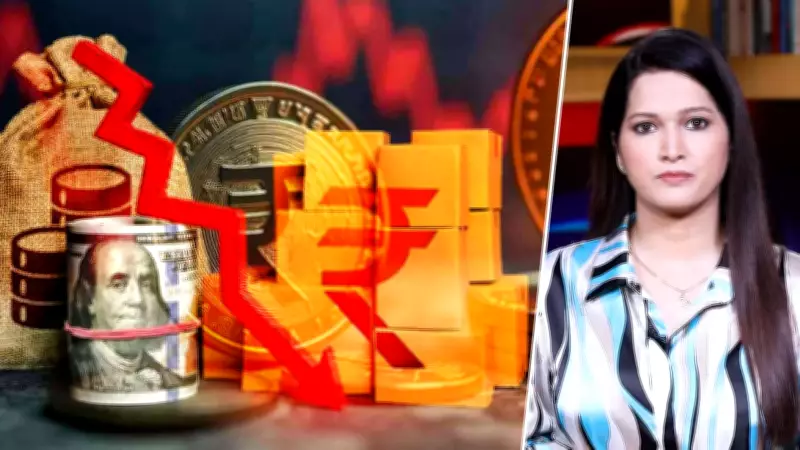
Rupee Crosses 92 Per Dollar as Market Pressures Intensify
The Indian rupee has breached the psychologically significant 92 mark against the US dollar, signaling a notable shift in market sentiment and economic dynamics. This milestone, reached on January 29, 2026, reflects a confluence of domestic and global factors that have steadily eroded the currency's value.
Key Drivers Behind the Rupee's Decline
Foreign equity outflows have emerged as a primary pressure point, with investors pulling capital from Indian markets amid global uncertainty. This exodus has been compounded by aggressive corporate hedging activities, as companies seek to protect themselves against further currency volatility.
Simultaneously, speculative dollar trades have gained momentum, with traders anticipating continued weakness in the rupee. The recovering US dollar on global markets has added external stress, though domestic factors have played a decisive role in the currency's downward trajectory.

RBI's Response and Market Dynamics
The Reserve Bank of India has actively supplied dollars to contain sharp swings in the currency market. However, these interventions have not reversed the broader trend of rupee depreciation. While softer global dollar cues and domestic policy liquidity measures offer some support, they have proven insufficient to counter the prevailing market forces.
Traders report that expectations of further rupee weakness are now driving market behavior, creating a self-reinforcing cycle of dollar demand and currency pressure. This psychological shift marks a significant departure from previous trading patterns.
Outlook and Challenges Ahead
The rupee's path forward remains fragile and uncertain. Market stability is unlikely until several key conditions are met:
- A cooling of dollar demand from both corporate and speculative sources
- Stabilization of equity flows as investor confidence returns
- Supportive global currency dynamics that reduce pressure on emerging market currencies
This currency movement represents more than just numerical crossing of a threshold—it reflects changing economic realities and market psychology that will influence India's trade, inflation, and monetary policy decisions in the coming months.






