

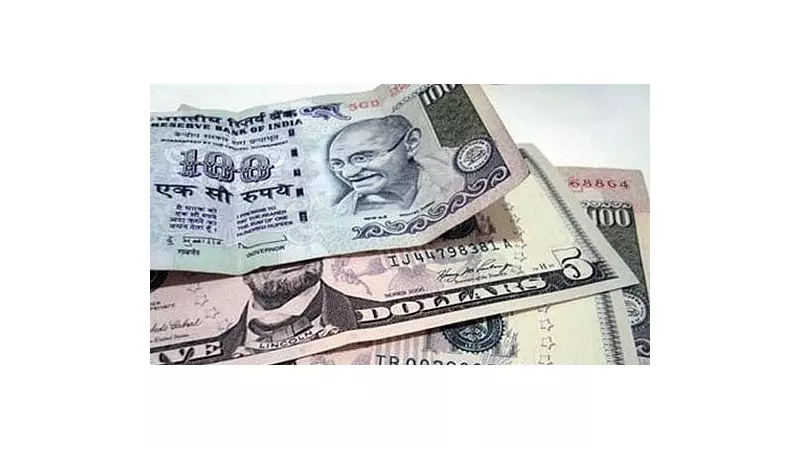
The Indian rupee is facing significant downward pressure, with a sharp decline that analysts believe is unlikely to reverse in the near term. While recent tariff announcements from the United States have captured headlines, they represent just one of several interconnected challenges battering the currency's value.
Multiple Headwinds Weigh on the Currency
The tariffs imposed by America are a prominent factor, creating uncertainty for Indian exports and affecting trade dynamics. However, they are part of a broader, more complex economic landscape. Global financial conditions, including the monetary policy stance of major central banks like the US Federal Reserve, are driving capital flows away from emerging markets. This puts currencies like the rupee under sustained selling pressure.
Domestic factors also play a crucial role. Persistent concerns over inflation, coupled with the high cost of energy imports, continue to widen India's trade deficit. This fundamental imbalance between what the country imports and exports directly drains foreign exchange reserves and weakens the rupee's position. Market sentiment has turned cautious, with investors closely monitoring these developments.

Why a Quick Rebound Seems Distant
Financial experts and market observers are tempering expectations for a rapid recovery. The convergence of external and internal pressures suggests the rupee's weakness may persist. The situation as of December 7, 2025, remains challenging, with no single, immediate solution in sight to bolster the currency significantly.
The path to stability likely depends on a combination of factors easing simultaneously. These could include a moderation in global crude oil prices, a shift in international monetary policy, and stronger domestic economic indicators that attract long-term foreign investment. Until such a shift materializes, the rupee is expected to remain volatile and trade within a weaker range against the US dollar.
Implications and the Road Ahead
A depreciating rupee has mixed consequences for the Indian economy. While it can make exports more competitive, it simultaneously makes essential imports like oil, electronics, and chemicals more expensive. This imported inflation can strain household budgets and complicate the Reserve Bank of India's task of managing price stability.
For policymakers, the current scenario demands a balanced approach. The focus may need to be on managing volatility through strategic interventions while strengthening the economy's fundamentals to better withstand global shocks. For businesses and individuals, the message is clear: the era of a weak rupee may extend further, necessitating careful financial planning and risk management.






