

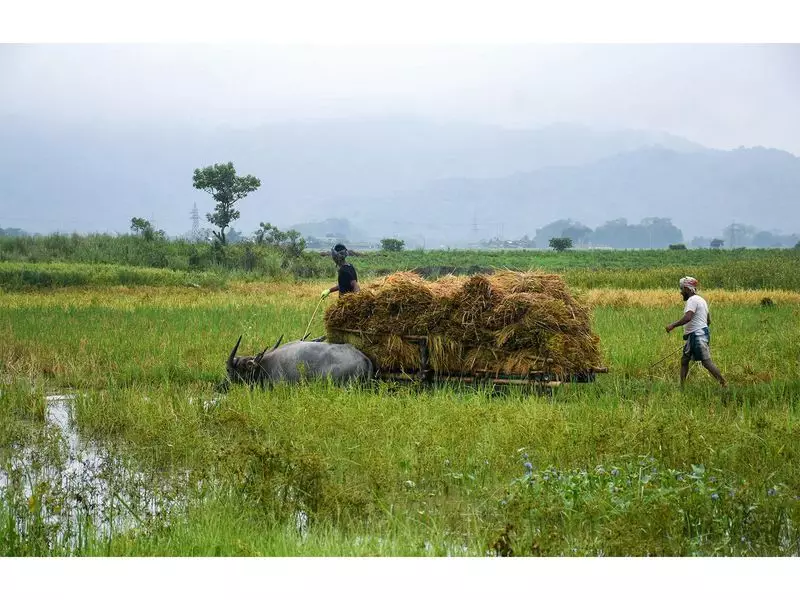
Rural Cultivation Incomes Face Pressure as Food Prices Drop
A recent report has sounded the alarm on rural cultivation incomes in India. These incomes are now under significant pressure. The primary cause is a decline in food prices. This trend is worrying for farmers across the country.
Key Findings from the Report
The report provides a detailed analysis of the current situation. It points out that falling food prices are directly impacting farmers' earnings. Many rural households depend heavily on agriculture for their livelihood. When food prices drop, their income takes a hit.
This pressure is not uniform across all regions. Some areas are feeling the squeeze more than others. The report highlights specific crops that have seen notable price declines. These include staples like wheat, rice, and pulses.

Implications for Rural Economy
The decline in cultivation incomes has broader economic implications. Rural economies rely on farming as a major source of revenue. Reduced incomes can lead to decreased spending in local markets. This, in turn, affects small businesses and services in rural areas.
Farmers are facing tough decisions. Some may cut back on inputs like fertilizers and seeds. Others might reduce their cultivation area. These actions could impact future crop yields and food security.
Factors Behind the Price Decline
Several factors contribute to the falling food prices. Increased production in some seasons has led to surplus supplies. Changes in government policies and market dynamics also play a role. International trade conditions and global price trends influence domestic markets.
The report notes that while consumers benefit from lower prices, producers suffer. This imbalance creates challenges for sustainable agriculture. It calls for a balanced approach to support both farmers and consumers.
Potential Solutions and Recommendations
The report suggests several measures to alleviate the pressure. Improving market access for farmers is crucial. Better storage facilities can help manage supply and stabilize prices. Government support programs need to be more effective and timely.
Diversification of income sources is another key recommendation. Encouraging farmers to explore alternative crops or non-farming activities can reduce dependence on traditional agriculture. Strengthening rural infrastructure and providing financial assistance are also important steps.
Looking Ahead
The situation requires immediate attention from policymakers. Sustainable solutions must address the root causes of price volatility. Supporting rural incomes is essential for overall economic growth and social stability in India.
Farmers' resilience will be tested in the coming months. With the right interventions, it is possible to mitigate the impact and ensure a brighter future for rural India.






