The ongoing conflict in West Asia has not yet exerted a significant impact on India's retail inflation, though future price trends will hinge on fuel costs, crop coverage, and global supply conditions, according to a report by the State Bank of India (SBI).
Key Factors Shaping Future Inflation
The report emphasized that the trajectory of inflation in the coming months would largely be shaped by three factors: the extent to which higher energy prices are passed on to consumers, the progress of summer crop sowing, and movements in individual inflation components. As of May 8, area coverage under summer crops has shown a reduction of 3 lakh hectares, which could affect food supply. Additionally, any large individual inflation movement on the negative side would also influence the overall trend.
Current Inflation Figures
India's Consumer Price Index (CPI) inflation rose marginally to 3.48% in April 2026 from 3.40% in March. Despite geopolitical uncertainty and rising global energy prices, the SBI report retained its CPI inflation forecast for FY27 at 4.5%.

Imported Inflation Trends
The report examined whether the Iran conflict and disruptions in West Asia had started affecting imported inflation and supply chains. It found that imported inflation, which has a weight of 21.84% in the CPI basket, eased slightly to 6.34% in April from 6.49% in March. The weighted contribution of imported inflation remained stable at 1.42%. The report noted, "Despite exchange rate fluctuations and external shocks like supply chain disruptions, the imported inflation has not increased but decelerated slightly."
Sectoral Inflation Highlights
Inflation in restaurants and accommodation services rose sharply, partly due to LPG shortages. Conversely, softer gold and silver prices helped reduce inflationary pressure in the personal care segment, leading to a decline of nearly 100 basis points in inflation within that category.
Food Prices Continue to Drive Inflation
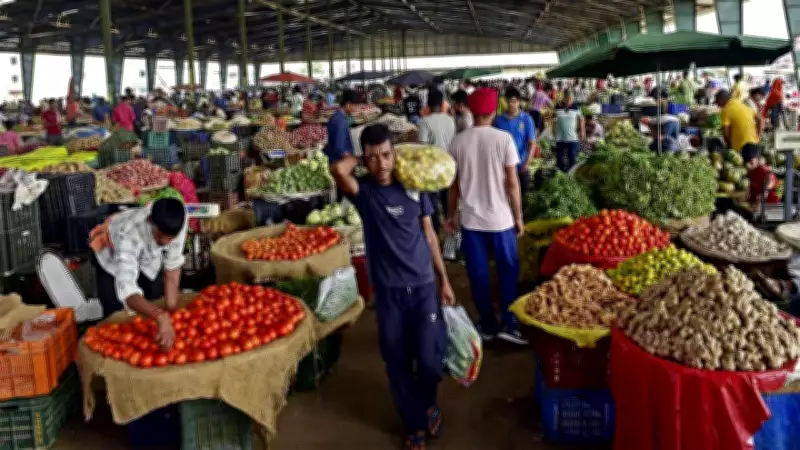
India's retail inflation in April touched its highest level in more than a year, driven mainly by rising food prices. The Consumer Food Price Index (CFPI) increased to 4.20% in April from 3.87% in March. Rural inflation stood at 3.74%, higher than the 3.16% recorded in urban areas. Among major food items, tomato prices jumped 35.28% year-on-year in April, while potato and onion prices remained in deflation territory at minus 23.69% and minus 17.67%, respectively.
Other Inflation Components
Inflation in the personal care and miscellaneous category remained elevated at 17.66%, while transport inflation was largely flat at minus 0.01%.
RBI's Outlook
The Reserve Bank of India had previously projected CPI inflation for 2026-27 at 4.6% and warned that elevated energy prices due to the Middle East conflict and possible El Niño conditions could pose upside risks to inflation going forward.