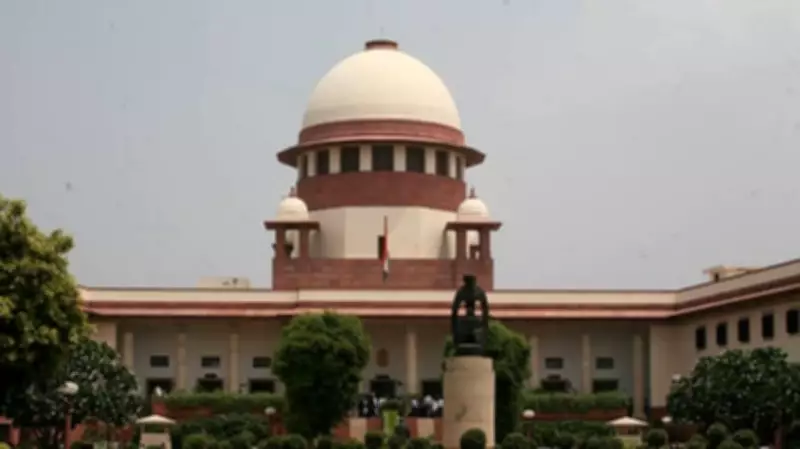
The Supreme Court of India has upheld the Karnataka government's decision to levy an additional 5 percent royalty on iron ore extracted in the state. The ruling came as the court set aside a Karnataka High Court judgment that had previously gone against the state's move.
Background of the Case
The dispute involved BMM Ispat Ltd, a mining company that had challenged the state's action of deducting an extra 5 percent royalty from its security deposit. The Karnataka High Court had earlier ruled in favor of the company, prompting the state government to appeal to the Supreme Court.
Supreme Court's Verdict
A bench of the Supreme Court examined the legal provisions governing mineral royalties and the state's authority to impose additional charges. The court concluded that the Karnataka government was within its rights to levy the additional royalty. Consequently, the apex court set aside the High Court's judgment and upheld the state's action.

The decision is seen as a significant victory for the Karnataka government, which has been seeking to enhance revenue from mineral resources. The additional royalty is expected to contribute to the state's treasury and support developmental projects in mining-affected areas.
Implications for the Mining Sector
Legal experts suggest that this ruling could set a precedent for other states to impose similar levies on mineral extraction. The judgment clarifies the extent of state governments' powers under the Mines and Minerals (Development and Regulation) Act, 1957.
The mining industry, however, has expressed concerns about increased financial burdens. Industry bodies argue that additional royalties could impact the competitiveness of Indian mining operations and lead to higher costs for downstream industries.
Despite these concerns, the Supreme Court's decision reinforces the principle that states have the authority to regulate mineral resources within their territories, subject to constitutional limitations.