

Silver Inventories on Shanghai Exchange Rebound Slightly After Decade Low
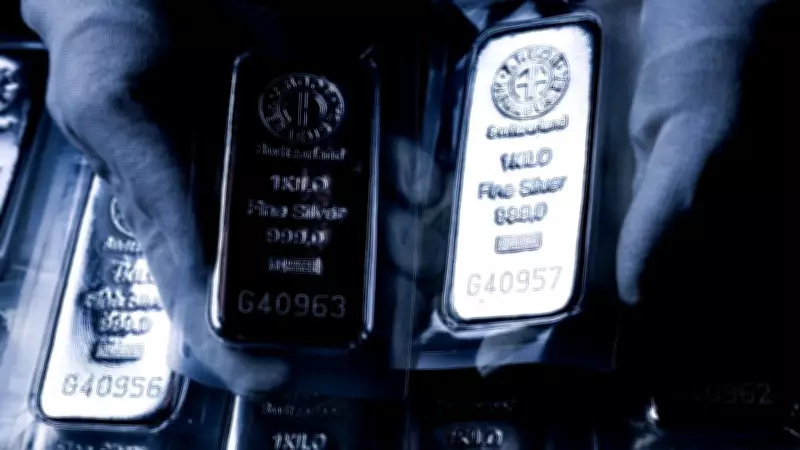
Silver inventories on the Shanghai Futures Exchange (SHFE) have edged up marginally following a sharp plunge to their lowest level in nearly a decade, highlighting ongoing tightness in the global physical silver market. Stockpiles of the white metal fell to a 10-year low of 318.546 tonnes on February 9, but latest data from CEIC shows a recovery to 342.102 tonnes by February 11, up from 323.368 tonnes the previous day.
Persistent Supply Tightness Amid Historical Depletion
Despite this recent uptick, SHFE inventories remain deeply depressed compared to historical benchmarks. Current silver inventories are nearly 89% lower than the all-time high of 3,091.112 tonnes recorded on January 12, 2021, underscoring a severe erosion in exchange-monitored supplies over the past four years. This depletion near decade-lows has intensified concerns about global silver supply chains, particularly as physical availability in key markets like London remains constrained.
Volatility and Price Dynamics in Silver Markets
Silver prices have exhibited extreme volatility over the past year, more than doubling amid a surge in investor inflows. However, the rally stalled abruptly in late January, when prices suffered the largest single-day decline on record. Although silver has since staged a partial recovery, volatility remains elevated, leading some market participants to describe the metal as "untradeable" in the near term.

The metal scaled multiple record highs in January, breaching the psychologically important $100 per ounce mark for the first time. This pushed the gold-to-silver ratio below 50, a level last seen in 2012. Silver rates later corrected below $80 but have shown resilience, with technical indicators suggesting the formation of a support base.
Sixth Consecutive Year of Global Silver Deficit Forecast
The global silver market is projected to be in deficit for a sixth consecutive year, according to a report by the Silver Institute. This trend is driven by surging investment demand that continues to outweigh weakening consumption across several end-use segments, including jewelry, silverware, and industrial applications.
Key Drivers and Demand-Supply Imbalances
The report notes that underlying drivers supporting silver throughout much of 2025 remain firmly in place this year. These include:
- Tight physical supply in London
- A volatile geopolitical backdrop
- US policy uncertainty
- Concerns over the Federal Reserve's independence
Silver's underlying supply-demand fundamentals remain supportive, with the market expected to stay in deficit for a sixth consecutive year in 2026, the Silver Institute emphasized.
Projected Demand and Supply Trends for 2026
Global silver demand is forecast to remain largely unchanged in 2026, as healthy gains in retail investment are expected to offset most losses in other key segments. Specifically:
- Physical investment demand is anticipated to jump 20% to a three-year high of 227 million ounces (Moz).
- Silverware demand is projected to decline 17% due to elevated prices.
- Jewelry demand is forecast to fall 9%.
- Industrial consumption is expected to ease modestly, despite continued expansion in solar photovoltaic installations, as thrifting and substitution away from silver curb PV-related demand.
On the supply side, total global silver output is forecast to rise 1.5% in 2026 to a decade-high 1.05 billion ounces. Nevertheless, the market is expected to post a significant deficit of approximately 67 Moz.
Implications for Global Silver Markets
"As a result, the silver market is expected to remain in deficit in 2026 for the sixth consecutive year, at a noteworthy 67 Moz. Of note, the global silver market will continue to rely on the release of bullion from above-ground inventories, adding pressure to an already tight physical market," the report concluded. This ongoing deficit underscores the critical challenges in balancing supply and demand amid persistent investment inflows and constrained physical availability.






