

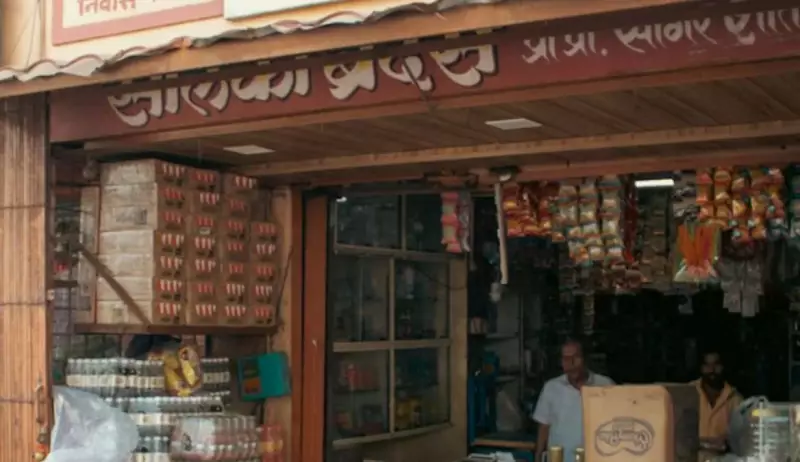
Small Business Owners Rally for GST Relief Ahead of Union Budget 2026
As the Union Budget 2026 approaches, small business owners across India are voicing their concerns and making a strong plea for Goods and Services Tax (GST) relief. This call comes in response to the mounting operational costs and inflationary pressures that are squeezing their profit margins and threatening their survival in a competitive market.
Escalating Costs and Financial Strain
The rising costs of raw materials, labor, and logistics have placed a significant burden on small enterprises. Many business owners report that their expenses have surged by over 20% in the past year, making it increasingly difficult to maintain profitability. This financial strain is particularly acute in sectors such as manufacturing, retail, and services, where small players often lack the economies of scale enjoyed by larger corporations.
Key challenges highlighted by small business owners include:

- Increased prices for essential inputs like steel, plastics, and agricultural products.
- Higher wages and compliance costs associated with labor regulations.
- Spiraling fuel and transportation expenses impacting supply chains.
The Push for GST Reforms
In light of these challenges, there is a growing demand for targeted GST reforms in the upcoming budget. Business associations and industry bodies are advocating for measures such as:
- Reducing GST rates for small and medium enterprises (SMEs) to ease their tax burden.
- Simplifying compliance procedures to reduce administrative overheads.
- Introducing incentives for digital payments and technology adoption to improve efficiency.
Experts suggest that such reforms could not only provide immediate relief but also stimulate economic growth by boosting small business activity. The government's response in Budget 2026 will be closely watched, as it could set the tone for India's economic trajectory in the coming fiscal year.
Broader Economic Context
The plea for GST relief is set against a backdrop of broader economic considerations. With inflation hovering above comfort levels and global uncertainties affecting trade, policymakers face the delicate task of balancing fiscal prudence with support for vulnerable sectors. Small businesses, which contribute significantly to employment and GDP, are seen as a critical component of India's economic resilience.
As the budget formulation process intensifies, stakeholders are hopeful that their voices will be heard. The outcome could have far-reaching implications for millions of entrepreneurs and workers nationwide, shaping the landscape of India's business environment in 2026 and beyond.






