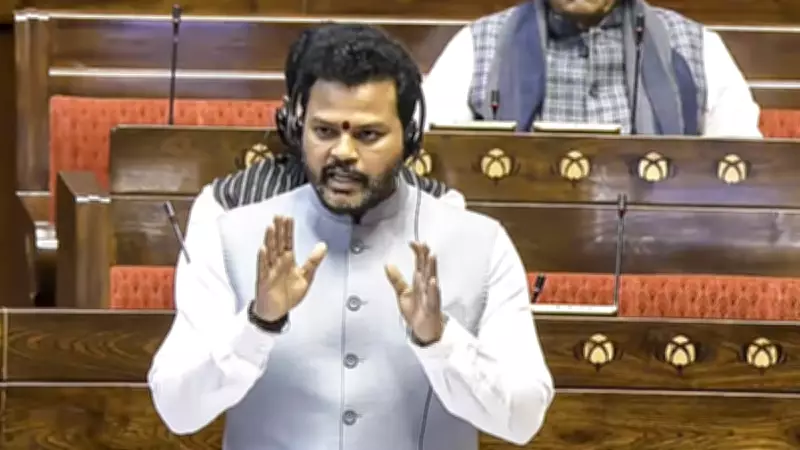
The Government of India is set to launch UDAN 2.0, the second phase of the Ude Desh Ka Aam Nagrik (UDAN) scheme, which aims to establish 100 new airports across the country. This was announced by Civil Aviation Minister K. Rammohan Naidu during a press conference held in New Delhi on May 20, 2026.
Expanding Regional Connectivity
The UDAN scheme, launched in 2016, has been instrumental in connecting underserved and unserved airports in smaller cities and towns. Under UDAN 2.0, the government plans to significantly expand this network by adding 100 new airports over the next five years. The initiative is expected to boost regional air connectivity, making air travel more accessible and affordable for the common man.
Key Features of UDAN 2.0
- 100 New Airports: The primary focus is on developing new airports in tier-2 and tier-3 cities, as well as remote areas.
- Enhanced Subsidies: The government will provide increased viability gap funding (VGF) to airlines operating on regional routes to ensure affordability.
- Modern Infrastructure: New airports will be equipped with modern facilities, including digital check-ins and sustainable energy solutions.
- Focus on Tourism: Airports near tourist destinations will be prioritized to promote domestic tourism.
Economic and Social Impact
The expansion is expected to create thousands of jobs in the aviation sector and ancillary industries. It will also improve access to healthcare, education, and business opportunities in remote regions. The minister emphasized that UDAN 2.0 aligns with the government's vision of making India a global aviation hub.

Current Status and Future Plans
As of 2026, the UDAN scheme has already operationalized over 70 airports and 500 routes. With UDAN 2.0, the target is to increase the number of operational airports to 200 by 2030. The government is also working on policy reforms to attract private investment in airport infrastructure.
The announcement has been welcomed by industry experts and regional stakeholders, who believe it will bridge the gap between metropolitan and non-metropolitan regions. The Ministry of Civil Aviation will soon release detailed guidelines for the implementation of UDAN 2.0.