

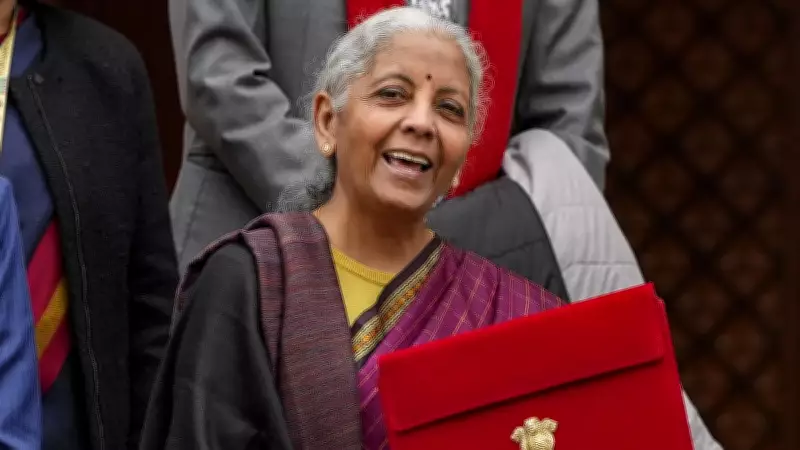
Union Budget 2026 Unveiled: A Pragmatic Approach to Economic Management
The Union Budget for the fiscal year 2026 has been officially presented, marking a significant milestone in the government's economic strategy. This budget is widely regarded as a pragmatic and well-balanced document that aims to steer the nation towards sustained growth while addressing immediate challenges. It reflects a careful calibration of priorities, ensuring that developmental goals are met without compromising fiscal stability.
Key Highlights and Strategic Focus Areas
The budget outlines several key initiatives designed to boost economic activity and improve the quality of life for citizens. A major emphasis is placed on infrastructure development, with substantial allocations for roads, railways, and digital connectivity. This move is expected to create jobs, enhance productivity, and attract private investment. Additionally, the budget includes measures to support small and medium enterprises (SMEs), which are crucial for employment generation and innovation.
On the social welfare front, the budget proposes increased spending on healthcare and education. This includes funding for new hospitals, schools, and skill development programs, aiming to build a healthier and more skilled workforce. The government has also introduced targeted schemes for farmers and rural communities, focusing on agricultural productivity and income support.

Fiscal Prudence and Taxation Policies
Despite the ambitious spending plans, the budget maintains a commitment to fiscal discipline. The fiscal deficit is projected to be kept within manageable limits, ensuring long-term economic stability. Taxation policies have been tweaked to provide relief to middle-class taxpayers while simplifying compliance for businesses. There are no major tax hikes, which is seen as a positive step to encourage consumption and investment.
Corporate tax rates remain largely unchanged, with incentives offered for sectors like manufacturing and renewable energy. This is intended to boost industrial output and align with global sustainability goals. The budget also introduces measures to curb tax evasion and improve revenue collection, leveraging technology for greater transparency.
Reactions and Economic Implications
Initial reactions from economists and industry leaders have been largely positive, with many praising the budget's pragmatic nature. It is seen as a balanced approach that avoids populist measures in favor of sustainable development. However, some critics point out that more could have been done to address inflation and unemployment directly.
The budget's impact on the stock market and overall economic sentiment is expected to be favorable, as it provides clarity and direction for the coming year. By focusing on infrastructure and social sectors, the government aims to lay a strong foundation for future growth, making this budget a critical component of India's economic trajectory.
In summary, the Union Budget 2026 stands out as a pragmatic and forward-looking fiscal plan. It successfully balances growth-oriented spending with fiscal responsibility, setting the stage for a robust and inclusive economy. As implementation begins, all eyes will be on how these policies translate into tangible benefits for the nation.






