

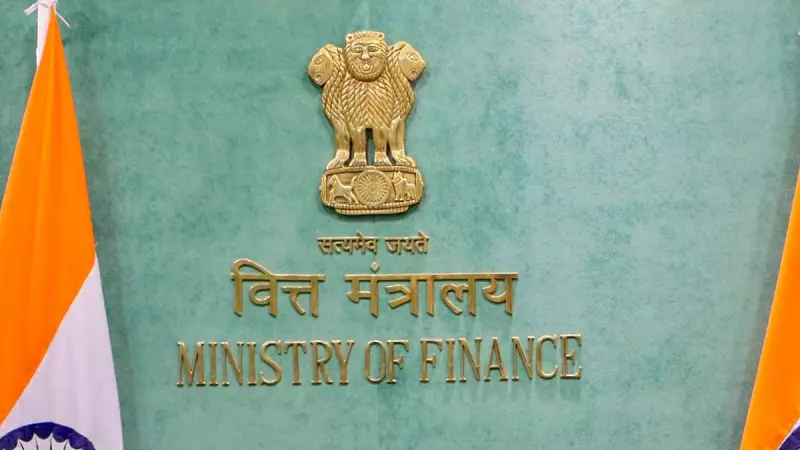
As the nation gears up for the Union Budget 2026, a flurry of questions surrounds the intricate process that leads to the presentation of the government's annual financial statement. A key document that sets the stage for the Budget is the Economic Survey. Understanding who creates this vital report and how it differs from the Budget itself is essential for grasping the country's economic direction.
The Architects of the Economic Survey
The responsibility for drafting the Economic Survey lies squarely with the Department of Economic Affairs (DEA) within the Union Finance Ministry. This crucial task is spearheaded by the Chief Economic Advisor (CEA) to the Government of India. The CEA, along with their team of economists and researchers, compiles and analyzes vast amounts of economic data to produce this comprehensive report.
The Economic Survey serves as an official review of the developments in the Indian economy over the past financial year. It provides a detailed analysis of major sectors, highlights policy challenges, and offers insights into the medium-term prospects for growth. The document is presented to Parliament by the Union Finance Minister, typically a day before the Budget is unveiled.

Key Distinction: Economic Survey vs. Union Budget
It is a common misconception to equate the Economic Survey with the Union Budget. However, these are two distinct documents with separate purposes and authorship.
The Economic Survey is a descriptive and analytical document. It reviews the state of the economy, discusses trends, and suggests policy ideas without making any financial commitments. It is drafted by the DEA under the CEA.
In contrast, the Union Budget is a statement of the government's estimated receipts and expenditures for the upcoming financial year. It is a political and financial document that outlines new schemes, tax proposals, and allocation of resources. The Budget is prepared by the Budget Division of the Department of Economic Affairs, in close consultation with the Finance Minister and the Prime Minister's office. It is a statement of intent and policy with immediate legal and financial implications.
The Budget-Making Timeline and Process
The journey to the Union Budget is a lengthy and secretive exercise that begins months in advance, usually around August or September of the preceding year. The process involves extensive consultations with various stakeholders, including state governments, union territories, ministries, departments, and industry bodies.
The Finance Minister holds pre-budget meetings with different groups to gather suggestions and demands. Internally, the Budget Division of the Finance Ministry collates estimates of expenditure from all ministries and works on the tax proposals. The final decisions are taken by a core group, including the Finance Minister and senior officials, often culminating in the traditional "Halwa Ceremony" that marks the start of the confidential printing of Budget documents.
Finally, the Union Budget is presented to the Lok Sabha by the Finance Minister on a date decided by the government. Historically, it was presented on the last working day of February, but this convention has seen changes. Following the presentation, the Budget is discussed in both houses of Parliament and must be passed by the Lok Sabha before it can come into effect on April 1, marking the start of the new financial year.
In summary, while the Economic Survey provides the diagnostic backdrop prepared by economic experts, the Union Budget is the government's prescriptive financial blueprint for the year ahead. Both documents are interlinked and critical for understanding India's fiscal health and policy priorities as the country prepares for Union Budget 2026.






