

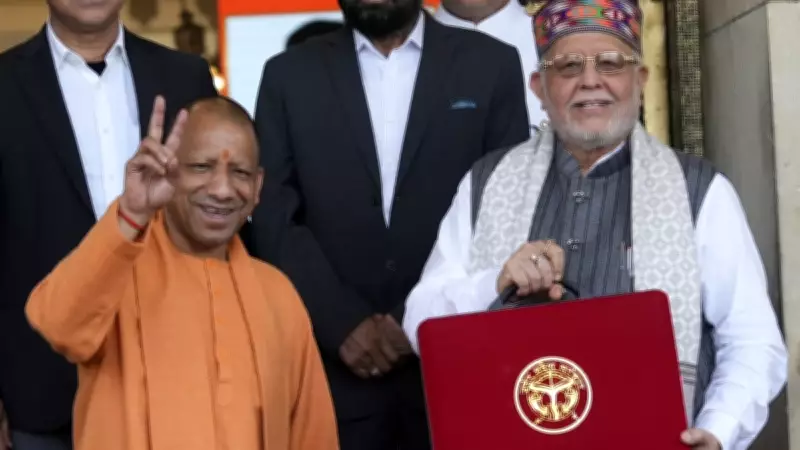
Uttar Pradesh Budget 2026-27: Fiscal Discipline and Growth Initiatives Take Center Stage
The Uttar Pradesh government has presented its budget for the fiscal year 2026-27, with a strong emphasis on fiscal prudence and targeted economic development. In a significant move, the state has capped its fiscal deficit at 3 percent of the Gross State Domestic Product (GSDP), aligning with national fiscal responsibility norms and signaling a commitment to sustainable financial management.
Key Highlights of the UP Budget 2026-27
The budget outlines a comprehensive plan to boost growth across various sectors while maintaining fiscal stability. Here are the ten key highlights that define this year's financial blueprint:
- Fiscal Deficit Target: The fiscal deficit is strictly limited to 3% of GSDP, ensuring the state's debt remains manageable and in line with economic growth projections.
- Infrastructure Boost: A substantial increase in allocation for infrastructure projects, including roads, bridges, and urban development, aimed at enhancing connectivity and supporting industrial expansion.
- Agricultural Support: Enhanced funding for the agriculture sector, with initiatives focused on irrigation, crop diversification, and farmer welfare schemes to boost rural incomes.
- Social Welfare Programs: Expanded budgets for health, education, and social security, targeting improved access to essential services for marginalized communities.
- Industrial Promotion: Incentives and subsidies for industries, particularly in manufacturing and MSMEs, to attract investment and generate employment opportunities.
- Energy Sector Development: Increased investment in renewable energy projects and power distribution, aiming to ensure reliable and sustainable energy supply across the state.
- Tourism Enhancement: Allocation for tourism infrastructure and promotion, leveraging Uttar Pradesh's cultural and historical assets to boost the hospitality sector.
- Digital Initiatives: Funding for digital infrastructure and e-governance projects to improve public service delivery and administrative efficiency.
- Urban Renewal: Focus on smart city projects and urban housing schemes to address urbanization challenges and improve living standards in cities.
- Revenue Mobilization: Measures to enhance tax collection and explore new revenue streams, supporting the budget's expenditure without compromising fiscal targets.
Economic Implications and Strategic Focus
The budget reflects a balanced approach, combining fiscal restraint with proactive investment in growth-oriented sectors. By capping the fiscal deficit at 3%, the government aims to maintain macroeconomic stability and build investor confidence, which is crucial for long-term economic resilience.

Infrastructure and agriculture receive particular attention, with allocations increased by approximately 20 percent compared to previous years, underscoring their role as key drivers of the state's economy. This strategic focus is expected to stimulate job creation, enhance productivity, and reduce regional disparities.
In the social sector, the budget prioritizes health and education, with plans to upgrade facilities and expand coverage, aligning with broader national goals for human development. The emphasis on digital initiatives further supports this by making services more accessible and transparent.
Challenges and Outlook
While the budget sets ambitious targets, implementation will be critical. Challenges such as execution delays, resource constraints, and external economic factors could impact outcomes. However, the fiscal deficit cap provides a framework for disciplined spending, potentially mitigating risks of overspending.
Overall, the UP Budget 2026-27 is designed to foster inclusive growth while keeping finances in check. If successfully executed, it could position Uttar Pradesh as a model for other states in balancing development with fiscal responsibility, contributing to India's broader economic progress.






