West Asia Conflict Sparks Major Price Surge in Aviation and Commercial Fuel in India
The escalating geopolitical tensions in West Asia are having a direct and significant impact on India's domestic fuel markets, with prices for jet fuel and commercial liquefied petroleum gas (LPG) experiencing sharp increases. This development is causing concern among airlines and businesses that rely heavily on these energy sources.
Jet Fuel Prices More Than Double Amid Supply Disruptions
Reports indicate that the price of aviation turbine fuel (ATF), commonly known as jet fuel, has more than doubled in recent weeks. This dramatic surge is primarily attributed to supply chain disruptions and heightened market volatility stemming from the conflict in West Asia, a key region for global oil production and transportation.
The spike in jet fuel costs is expected to put additional financial pressure on Indian airlines, which are already grappling with operational challenges. This could potentially lead to increased airfares for passengers as carriers seek to offset the rising fuel expenses, affecting both domestic and international travel.

Commercial LPG Cylinder Prices Rise by Rs 195.50
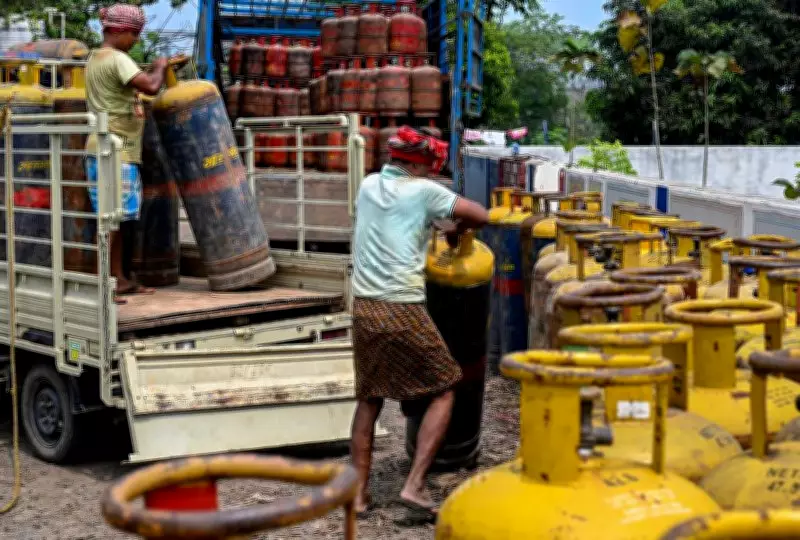
In a parallel development, the price of a 19-kilogram commercial LPG cylinder has been increased by Rs 195.50. This hike impacts businesses across various sectors, including restaurants, hotels, and small-scale industries that use commercial LPG for cooking and heating purposes.
The rise in commercial LPG prices is likely to increase operational costs for these enterprises, potentially leading to higher prices for goods and services. This could have a cascading effect on the economy, contributing to inflationary pressures in the food and hospitality industries.
Underlying Causes and Broader Implications
The crisis in West Asia has created uncertainty in global energy markets, driving up prices for crude oil and refined products. India, being a major importer of oil and gas, is particularly vulnerable to such geopolitical shocks. The recent price adjustments reflect the country's dependence on imported energy and the challenges of managing fuel costs during international conflicts.
- Increased transportation and insurance costs due to regional instability.
- Fluctuations in currency exchange rates affecting import bills.
- Potential for further price hikes if the conflict prolongs.
Authorities and industry stakeholders are closely monitoring the situation, with calls for strategic measures to mitigate the impact on consumers and businesses. The developments underscore the interconnectedness of global events and local economies, highlighting the need for resilient energy policies.