

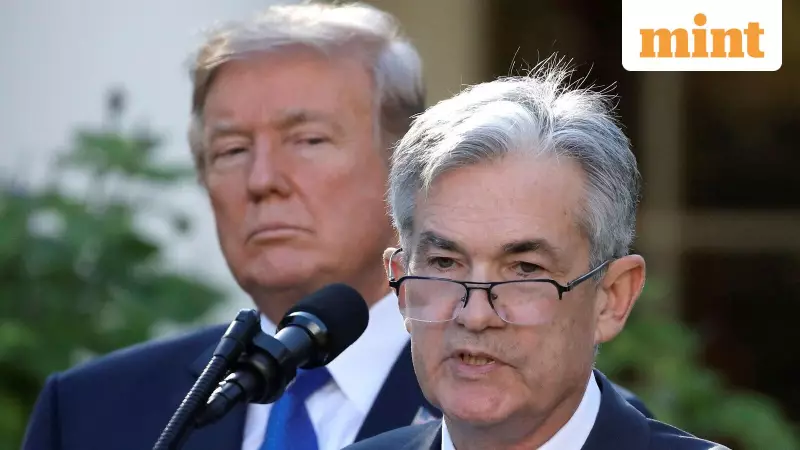
Powell-Trump Standoff Puts Central Bank Independence in Spotlight
The ongoing tension between US Federal Reserve Chair Jerome Powell and President Donald Trump has brought renewed attention to a fundamental principle of modern economics. This clash strikes at the very core of what makes central banks effective institutions for promoting long-term financial stability and economic growth.
Political Pressure Versus Monetary Policy
Powell recently described a Department of Justice probe into his testimony about Federal Reserve building renovations as "unprecedented." He believes this action resulted directly from presidential anger over the Fed's refusal to lower interest rates despite White House pressure.
While the specific case involves cost overruns and building upgrades, the broader implications are far more significant. History demonstrates that central banks shielded from political influence consistently deliver better economic outcomes than those that yield to government pressure.

Elected governments naturally focus on short-term results aligned with electoral cycles. Central banks, in contrast, can afford to take a longer view even when it causes temporary economic discomfort. As guardians of currency value, they must prevent unnecessary devaluation of fiat money.
The Institutional Framework for Autonomy
Complete independence remains an ideal rather than a reality since central banks operate within government frameworks. Both the US Federal Reserve and India's Reserve Bank function under specific statutes that grant them significant operational freedom.
The Federal Reserve Act of 1913 provides the Fed with what experts call "instruments of operational independence." The institution can adjust interest rates and conduct Treasury bond transactions without government interference. Two key protections reinforce this autonomy.
- Federal Reserve governors receive fourteen-year appointments on a staggered schedule
- Presidents can only remove governors for specific causes like inefficiency or malfeasance, not policy disagreements
India's Reserve Bank gained formal independence more recently through 2016 amendments to the RBI Act. These changes established inflation targeting as an official mandate and created the Monetary Policy Committee.
Why This Structure Matters Globally
Central bank independence allows monetary authorities to pursue policies best suited to achieving their objectives, regardless of government preferences for cheaper credit. This arrangement proves particularly important for countries like India where elected administrations often seek short-term solutions.
The stakes appear even higher for the United States because the American dollar and Treasury bonds play central roles in global finance. Financial markets worldwide require credible assurance that the Federal Reserve follows established procedures rather than political directives.
Both the Fed and RBI make decisions through committee structures rather than individual authority. The Federal Open Market Committee and India's Monetary Policy Committee both operate on majority voting principles designed to limit any single person's influence over monetary policy.
This institutional design helps ensure that inflation control and financial stability receive priority over electoral cycles. The current US standoff serves as a powerful reminder of why maintaining central bank independence remains crucial for sustainable economic growth worldwide.






