

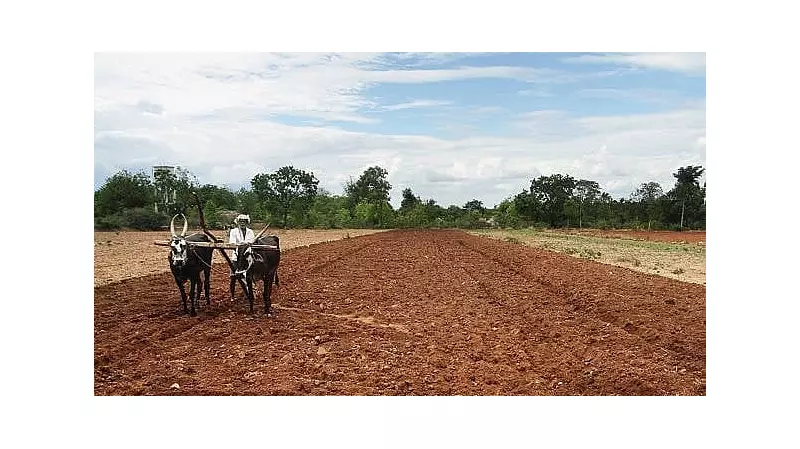
As the nation anticipates the Union Budget for the 2026 fiscal year, a stark contrast defines the Indian landscape. Gleaming new airports and expansive highways symbolize a nation on the move, yet this modern facade often overshadows the crumbling agricultural markets, or mandis, where farmers continue to suffer significant post-harvest losses. This growing disparity raises a pressing question: will the upcoming budget once again leave the farming community behind?
The Glaring Infrastructure Divide
The visual dichotomy between urban mega-projects and rural decay is impossible to ignore. While significant capital flows into transport and digital infrastructure, the foundational systems supporting India's agricultural backbone are deteriorating. Farmers across the country still lose a substantial portion of their produce due to inadequate storage, poor market linkages, and dilapidated mandi facilities. This loss occurs after the immense effort of cultivation, directly hitting their already fragile incomes. The budget's allocation often seems skewed towards visible, urban-centric development, leaving the less photogenic but critical rural agricultural infrastructure underfunded.
Core Challenges Facing the Agriculture Sector
The problems are systemic and require focused fiscal intervention. Key issues that the Union Budget 2026 must address include modernizing the existing Agricultural Produce Market Committees (APMCs), enhancing cold chain networks to reduce spoilage, and improving rural connectivity not just for roads but for market information. Furthermore, investment is desperately needed in areas like primary processing and packaging at the farm gate to add value and minimize waste. Former Agriculture Secretary Siraj Hussain, in his analysis dated 12 January 2026, highlighted this very neglect. The budget needs to move beyond short-term support like loan waivers and invest in long-term capital assets that boost productivity and market access for farmers.

What the 2026 Budget Must Deliver
For the budget to be truly transformative for the agriculture sector, it must pivot towards building sustainable rural economies. This involves:
- Substantial increases in allocation for mandi modernization to create hygienic, efficient, and digitally equipped marketplaces.
- Incentives and grants for building decentralized storage and processing units, empowering Farmer Producer Organizations (FPOs).
- Increased funding for climate-resilient agriculture and water conservation technologies, as farmers are on the frontlines of climate change.
A budget that continues to prioritize steel and concrete over soil and grain risks alienating the very sector that employs nearly half the nation's workforce. The true measure of development will be in bridging the gap between the shining India of infrastructure and the struggling India of its farms.
The upcoming financial plan is a critical opportunity to rebalance priorities. Without a committed and sizable investment in revitalizing agricultural infrastructure and supply chains, the sector's growth will remain stunted, and farmers' distress will persist. The nation watches to see if the Union Budget 2026 will sow the seeds for a genuinely inclusive economic harvest.






