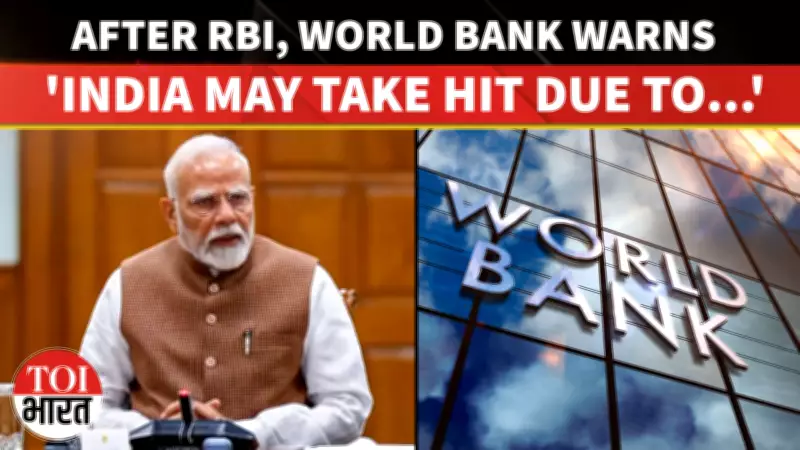
World Bank Revises India's Economic Growth Forecast Upward for FY27
The World Bank has issued an updated economic assessment, raising India's GDP growth forecast for the fiscal year 2027 to 6.6%. This upward revision reflects the institution's confidence in the nation's economic resilience and strong domestic demand, which continue to propel growth despite a challenging global environment.
Strong Domestic Fundamentals Underpin Optimistic Outlook
According to the report, India's economy is demonstrating remarkable strength, largely fueled by robust domestic consumption and investment activities. The World Bank highlighted that these internal drivers have enabled India to maintain its position as the fastest-growing major economy globally, even as external pressures mount.
The forecast indicates a moderation from the projected 7.6% growth rate for FY26, suggesting a gradual normalization as the economy adjusts to post-pandemic realities and confronts increasing international headwinds.

Global Risks and Geopolitical Tensions Pose Significant Challenges
While the revised forecast is positive, the World Bank report sounds a cautionary note regarding several global risks that could impact India's economic trajectory. The ongoing conflict in West Asia is identified as a primary concern, with potential to disrupt energy markets and escalate geopolitical tensions.
Key risk factors highlighted in the assessment include:
- Rising oil prices due to supply chain vulnerabilities
- Trade uncertainties stemming from geopolitical friction
- Energy market disruptions affecting import-dependent economies
- Broader geopolitical tensions that could dampen global growth
RBI Echoes Concerns Over Strategic Waterway Vulnerabilities
The Reserve Bank of India has independently warned about potential economic impacts from disruptions in critical maritime routes, particularly the Strait of Hormuz. This strategic waterway serves as a crucial conduit for global oil shipments, and any interference could have cascading effects on energy prices and trade flows.
The World Bank's analysis suggests that while India's domestic economy remains fundamentally strong, the nation must navigate these external challenges carefully. The institution's report serves as both an acknowledgment of India's economic achievements and a reminder of the volatile international landscape that could influence future growth patterns.