

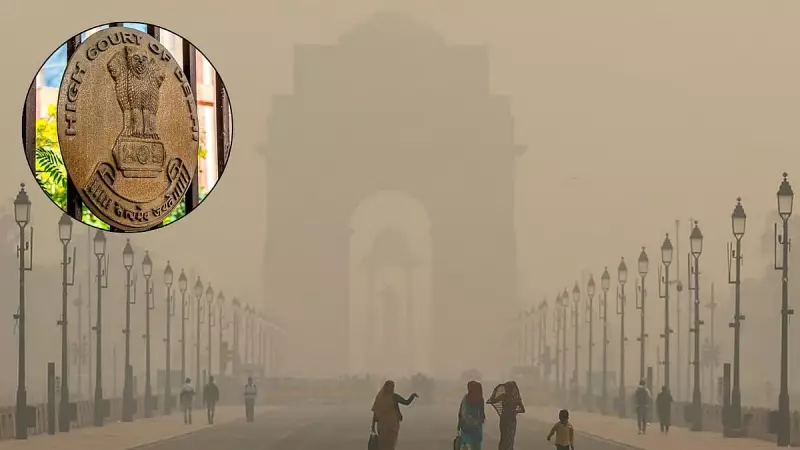
The Delhi High Court has directed the central government to formally respond to a significant plea that seeks a reduction in the Goods and Services Tax (GST) levied on air purifiers. This move is seen as a potential relief measure for residents of the national capital, who grapple with hazardous air quality for a significant part of the year.
Court's Directive and Timeline
A vacation bench of the High Court, comprising Justices Vikas Mahajan and Vinod Kumar, issued the order. The bench has granted a period of ten days to the Centre for filing its detailed reply to the petition. Following this submission, the court has scheduled the next hearing in the matter for January 9.
The petition underscores the critical role of air purifiers as a necessary health intervention in Delhi, where pollution levels routinely breach safe limits. The plea argues that the current GST rate makes these essential devices financially inaccessible for a large section of the population, effectively putting a price on clean air.

The Core Argument for a GST Reduction
Advocates for the GST reduction present a compelling public health case. They contend that air purifiers are not luxury items but essential tools for mitigating the severe health risks posed by Delhi's toxic air, which includes high concentrations of PM2.5 and other harmful pollutants.
The key points raised in the plea likely include:
- The direct link between air pollution and respiratory and cardiovascular diseases.
- The disproportionate impact on vulnerable groups like children, the elderly, and those with pre-existing conditions.
- The argument that making air purifiers more affordable aligns with the government's own public health and environmental goals.
What Happens Next?
All eyes are now on the central government's reply, which is expected to outline its official stance on the issue of classifying and taxing air purification equipment. The government's response could address broader questions about fiscal policy, public health priorities, and environmental welfare.
The outcome of this case could set a significant precedent. A decision in favor of the petition would not only provide immediate financial relief to consumers but also signal a policy shift towards recognizing clean indoor air as a fundamental health necessity in severely polluted regions. The hearing on January 9 will be the next crucial step in this legal and public health discourse.






